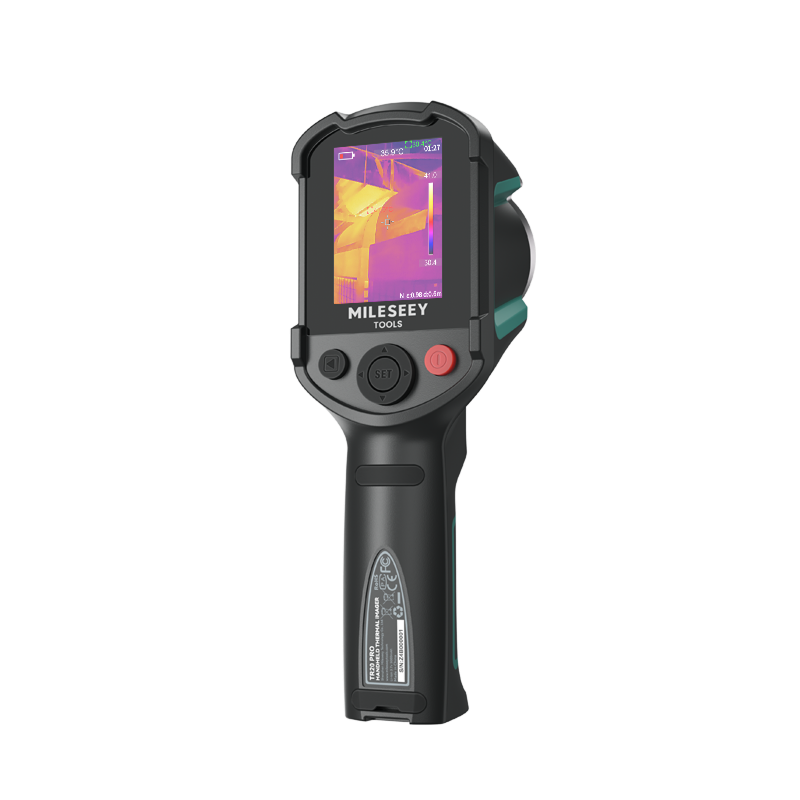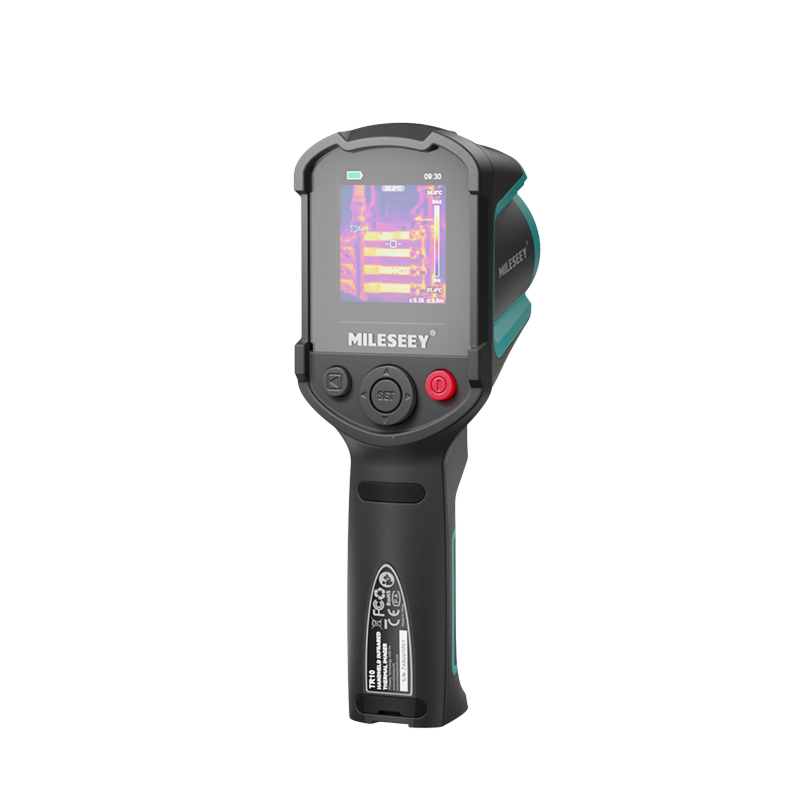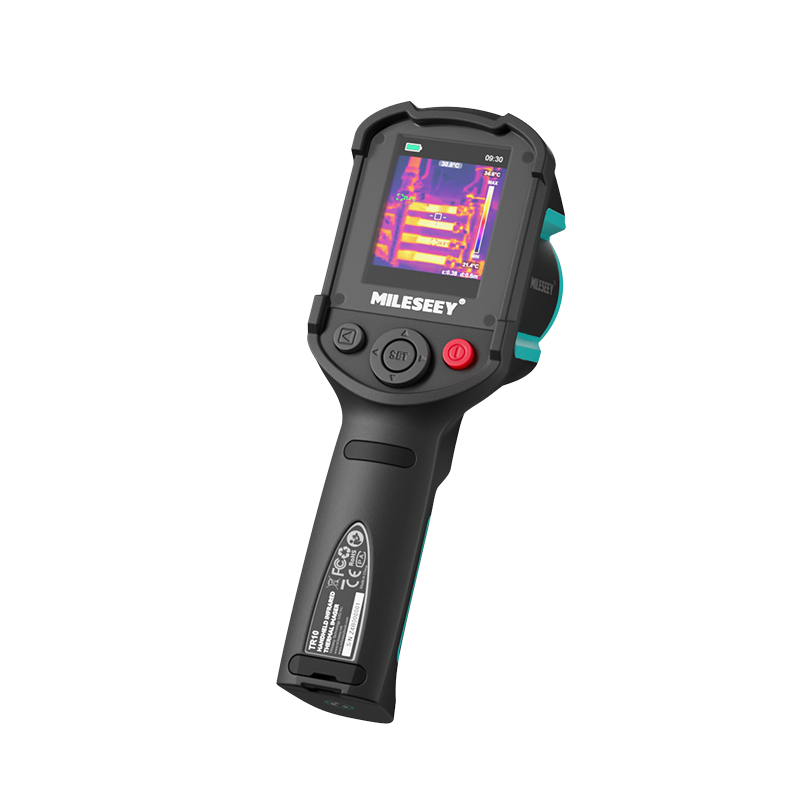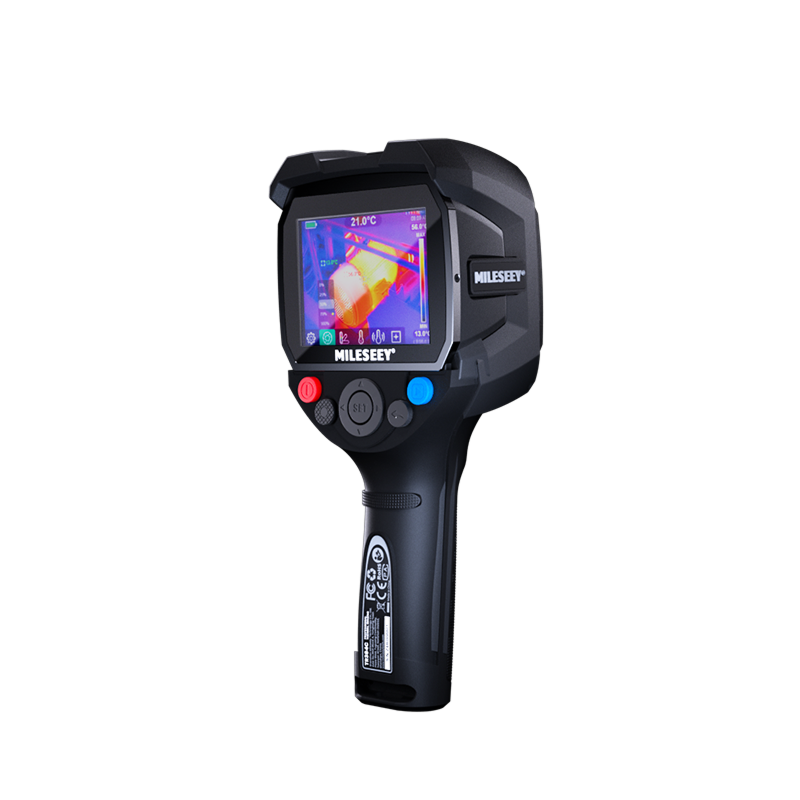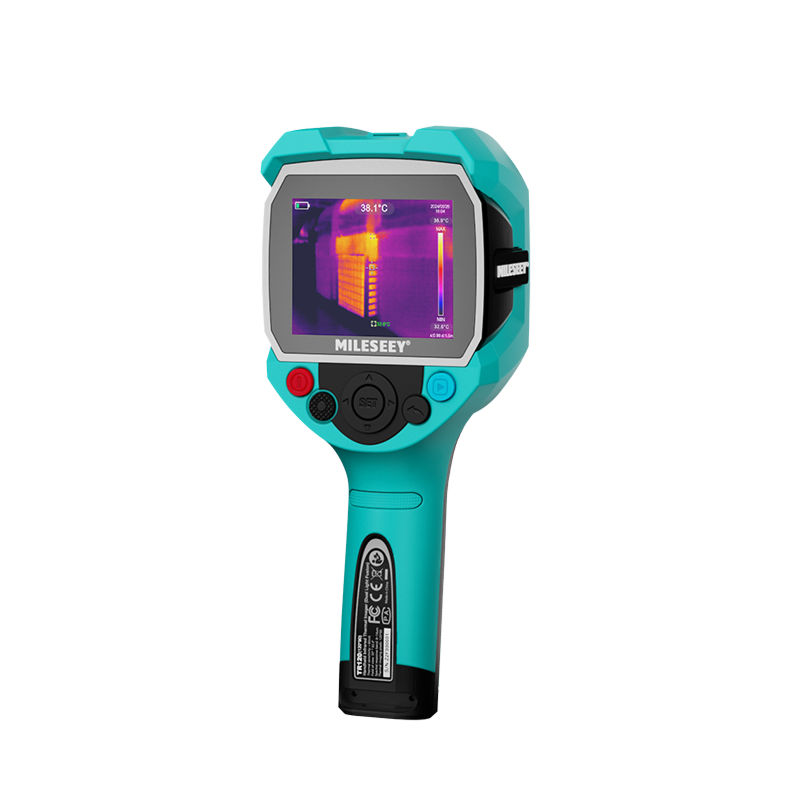
A thermal camera may be able to measure very cold and very hot surfaces, but its widest published range is not automatically the best answer for every inspection. The useful range is the one that covers the target's likely surface temperature, leaves sensible headroom for abnormal conditions, and still fits the environment in which the camera will be operated.
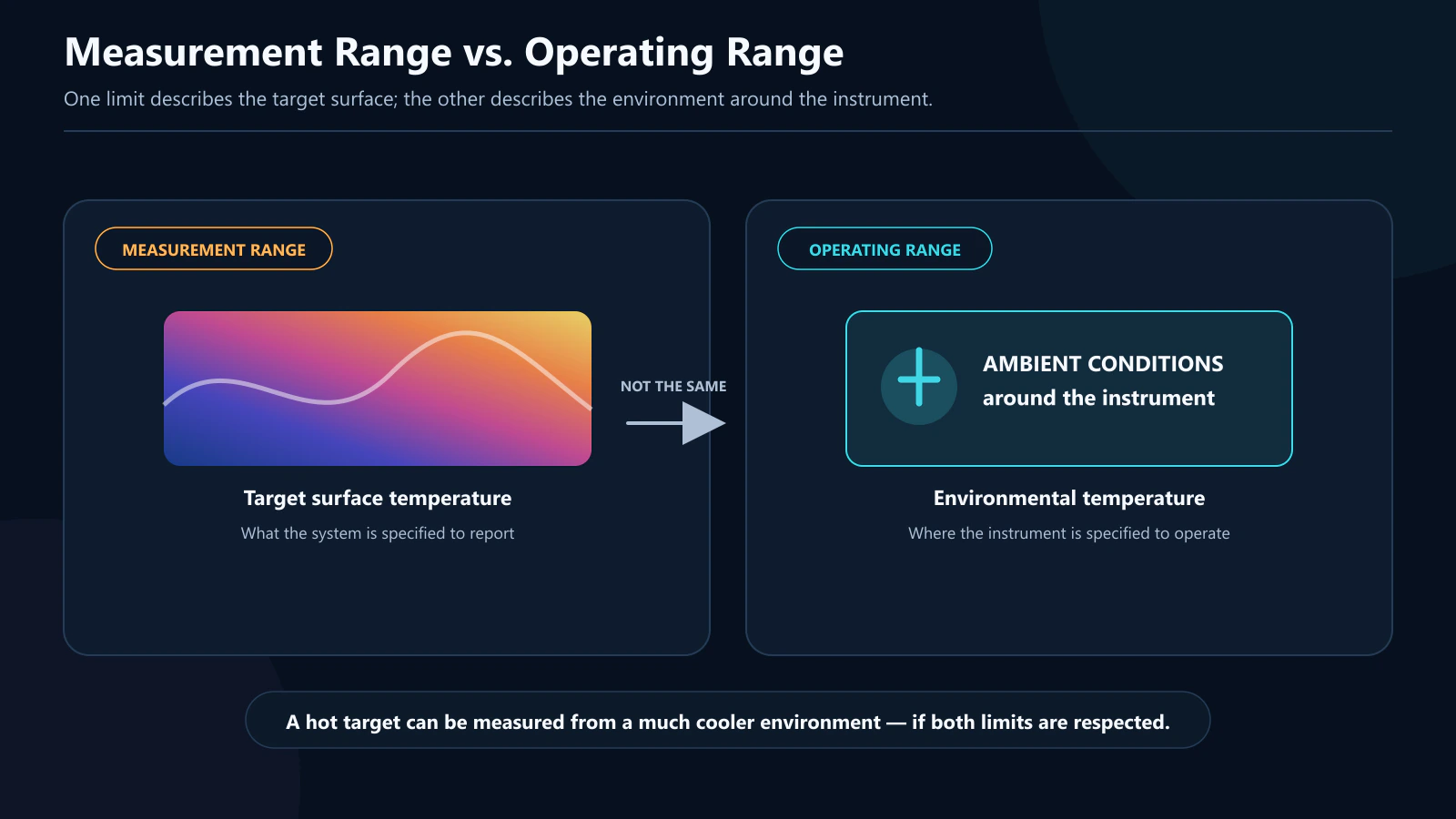
The phrase thermal camera temperature range can also hide two different specifications: measurement range and operating range. Confusing them can lead to an unsuitable shortlist or a camera being used outside its stated environment. This guide separates those limits, builds a practical selection workflow, and explains why range must be considered alongside resolution and sensitivity. For the full image-quality framework, see our high-resolution thermal camera guide.
How this guide was prepared: We reviewed official thermography guidance from FLIR and Fluke together with official MILESEEY product and Support information. Product values are published specifications, not independent test results.
Measurement range and operating range are not the same
| Specification | What it describes | Question it answers | Common mistake |
|---|---|---|---|
| Measurement range | The target surface temperatures the camera is specified to report | Can the expected target fall inside the camera's stated measuring limits? | Assuming a wider range makes every ordinary-temperature image better |
| Operating range | The ambient conditions in which the camera itself is specified to function | Can the instrument be used in the planned work environment? | Using the target-temperature limit as if it were the camera's ambient limit |
| Thermal sensitivity | The system's ability to distinguish small temperature differences under stated conditions | Can subtle contrast be separated from image noise? | Treating sensitivity as the same thing as range or accuracy |
| Native IR resolution | The number of detector pixels sampling the scene | How much spatial information can the detector capture? | Substituting display resolution or digital zoom for detector resolution |
A target can be far hotter than the air around the camera. For example, an instrument may be operated from a normal work area while observing a hot component at a safe distance. The target must remain inside the measurement range, while the camera body must remain inside the operating range. Both limits matter independently.
A six-step workflow for choosing temperature range
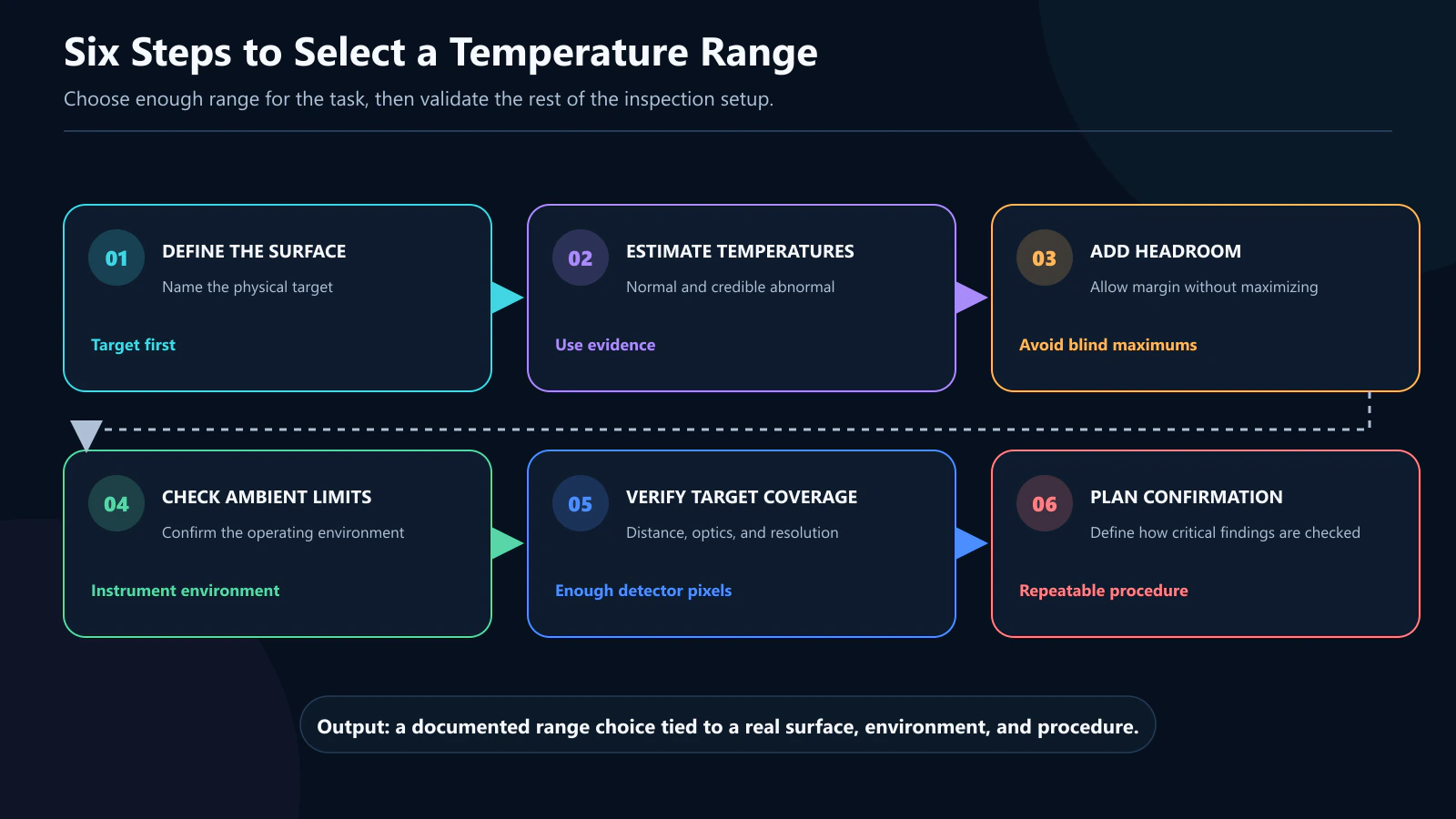
1. Define the surface, not just the application
Start with the physical target: an electrical connection, duct surface, motor housing, pipe, insulated panel, or another accessible surface. Thermal cameras report infrared energy from surfaces; they do not directly report the internal temperature of every object or see through ordinary walls. A broad application label such as “maintenance” is too vague to define a suitable range.
2. Estimate normal and abnormal surface temperatures
Use process documentation, equipment limits, previous inspections, contact measurements, or engineering knowledge to bracket normal and credible abnormal surface temperatures. The goal is to avoid a camera whose limit is too close to the temperatures that matter.
3. Add practical headroom without maximizing blindly
Leave room for changing load, weather, and unexpected conditions, but do not assume the highest maximum is automatically superior. Also compare performance in the range used most often, resolution, sensitivity, controls, documentation, and workflow.
4. Check the camera's ambient operating conditions
Consider the temperature around the camera, not only the target. A cold start, hot room, direct sun, rapid transition, dust, water, or drop risk can affect suitability. Environmental ratings do not replace official operating limits and handling guidance.
5. Verify target coverage at the planned distance
A target within the measurement range can still be too small for dependable interpretation. As distance increases, fewer infrared detector pixels cover the target. Review the camera's optics, field of view, focusing method, and spatial-resolution guidance for the actual setup. Fluke's thermography principles booklet explains why field of view and the smaller area represented by an individual detector element both matter. Our thermal camera resolution comparison provides a practical pixel-count framework.
6. Plan how critical findings will be confirmed
A thermal pattern can prioritize follow-up, but it does not identify every cause by itself. Decide in advance whether a finding will be checked with a contact instrument, electrical test, moisture meter, airflow measurement, visual inspection, or another appropriate method. The confirmation plan is especially important when safety, production, or repair decisions depend on a temperature threshold.
Range priorities by inspection scenario
| Scenario | Range priority | Important companion check | Interpretation boundary |
|---|---|---|---|
| HVAC and duct inspection | Coverage for conditioned and ambient surfaces | Emissivity, airflow state, and repeatable comparison points | Surface temperature is not the same as air temperature inside the system |
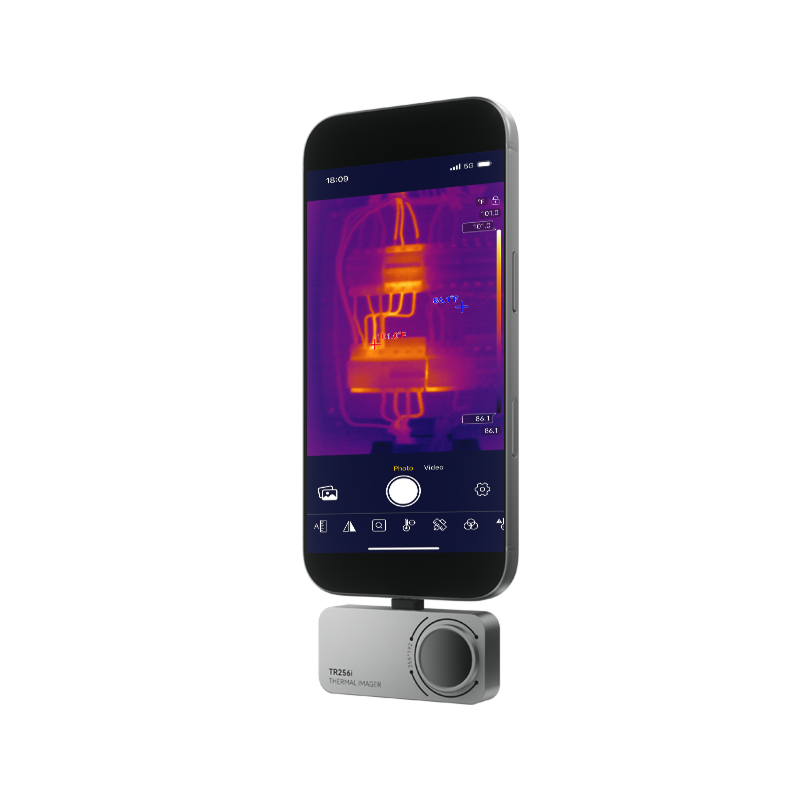
| Loaded electrical equipment | Headroom above expected component surface temperatures | Safe approach, load context, target size, and similar-component comparison | Reflections from metal can imitate hot spots |
| Motors and mechanical assets | Coverage for normal operating surfaces and credible abnormal heating | Stable load, baseline images, viewing angle, and trend history | A hot housing does not by itself identify the internal failure mode |
| High-temperature process surface | A stated measurement limit above the expected surface temperature | Safe distance, optics, target coverage, emissivity, and process procedure | Being inside the range does not guarantee a suitable quantitative setup |
Why a target inside the range can still give a poor result
Emissivity and reflected apparent temperature
Infrared energy reaching the camera depends on the target surface and its surroundings. High-emissivity materials are generally easier to interpret than polished metal or other reflective surfaces. Fluke's reflectivity guidance shows how nearby people, equipment, sky, or hot objects can appear in a reflective surface. Adjusting emissivity is part of the setup, but it does not turn an unsuitable viewing condition into a reliable one.
For quantitative work, consider emissivity, reflected background, distance, atmosphere, and the stated procedure. Fluke's infrared calibration guidance highlights emissivity and source size as sources of uncertainty.
Spatial resolution and working distance
Measurement range does not tell you whether the target fills enough detector pixels. A small connector viewed from far away may blend with its background. Move closer when safe; digital zoom only enlarges sampled information. Resolution, optics, focus, and distance remain part of the result.
Thermal sensitivity
A wide measurement range does not specify how finely the camera separates nearby temperatures. That is the role of NETD and related sensitivity information. If the job depends on faint gradients rather than extreme temperatures, our NETD thermal camera guide explains why a lower sensitivity number can matter and why it still must be compared under like conditions.
Environmental timing
Sun, wind, rain, recent shutdown, changing load, and ambient transitions can reshape a surface pattern. Document conditions and repeat the inspection under a representative state when needed.
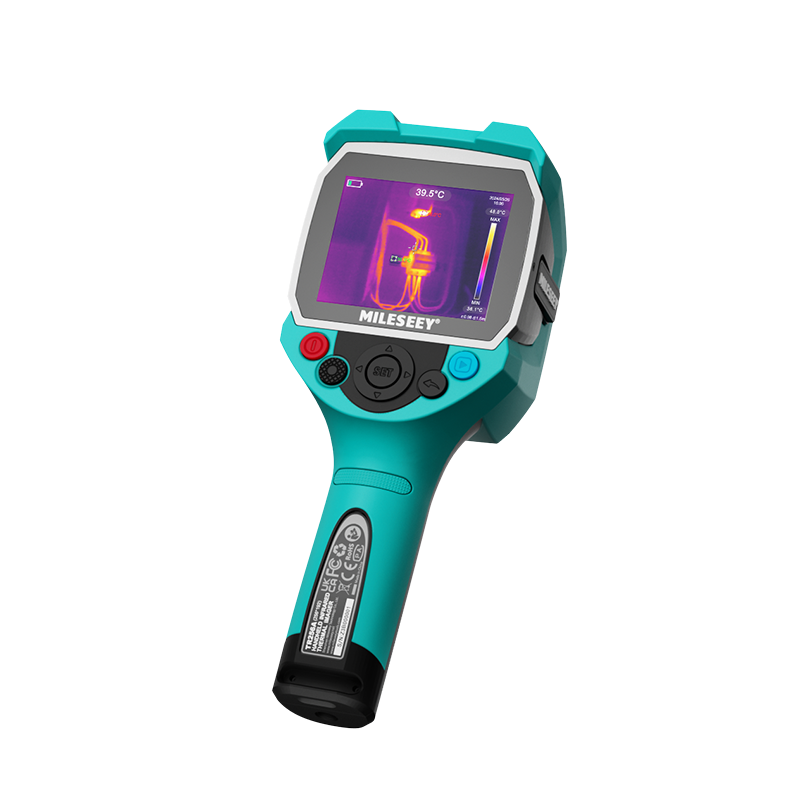
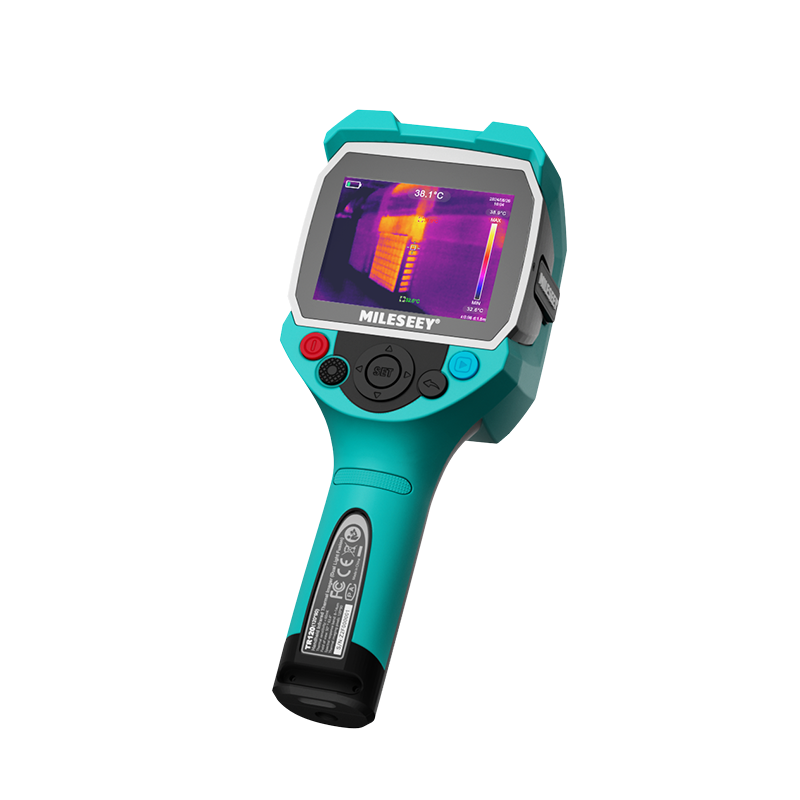
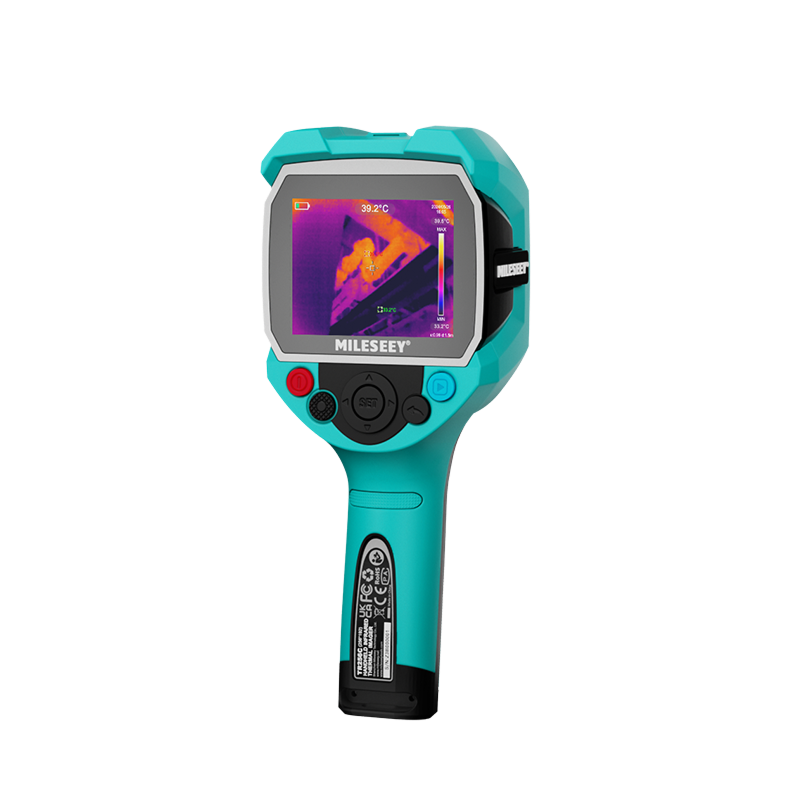
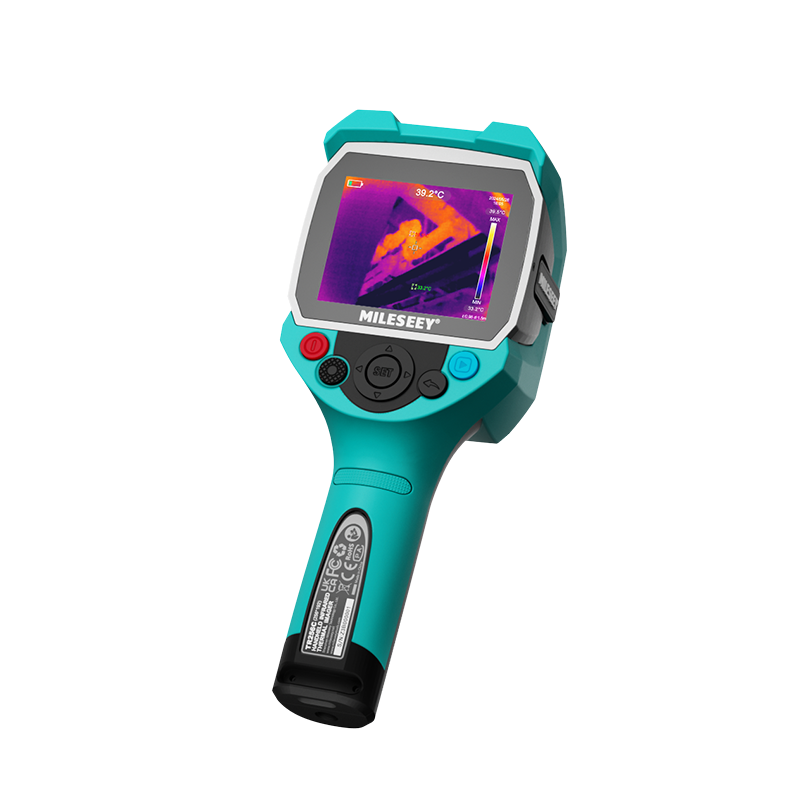
TR256A as a range-selection example
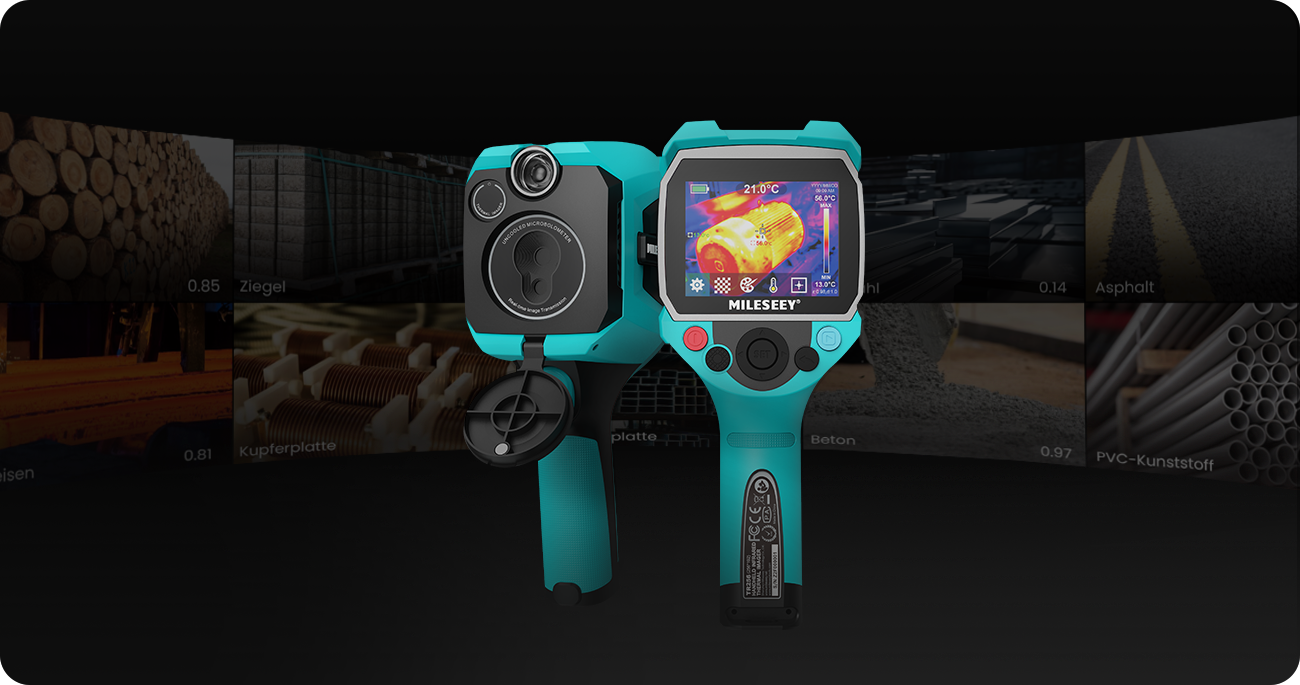
The official TR256A Support page lists a measurement range from –20°C to 550°C (–4°F to 1022°F) and an operating range from –10°C to 50°C (14°F to 122°F). Those two lines illustrate the distinction directly: the target can fall across the wider measurement span, while the camera itself has a narrower stated ambient operating span.
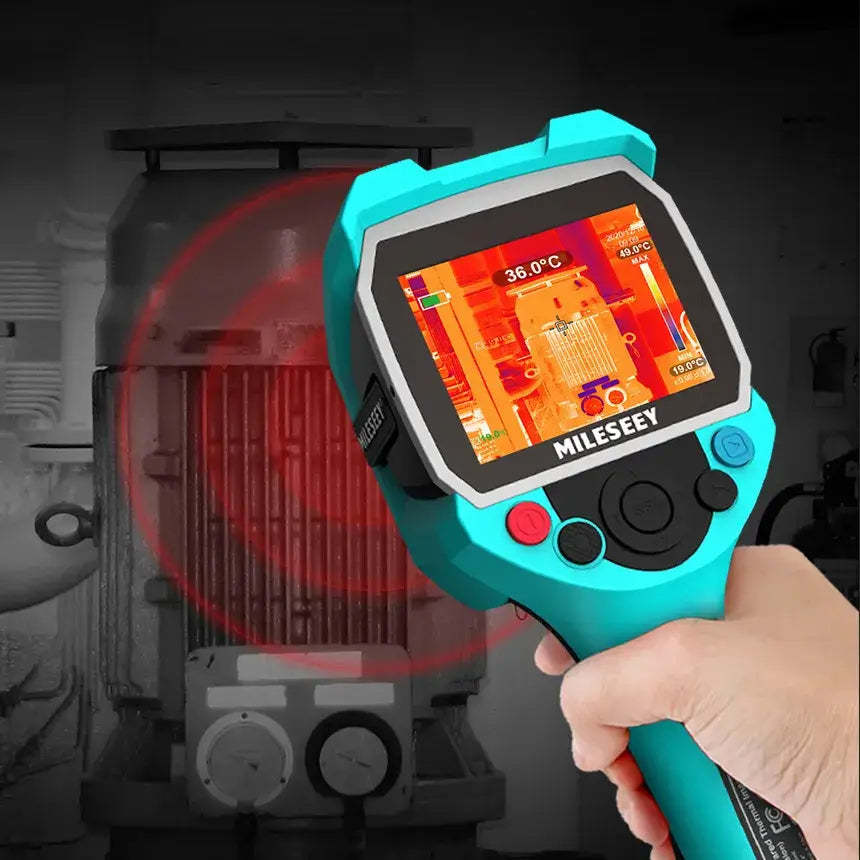
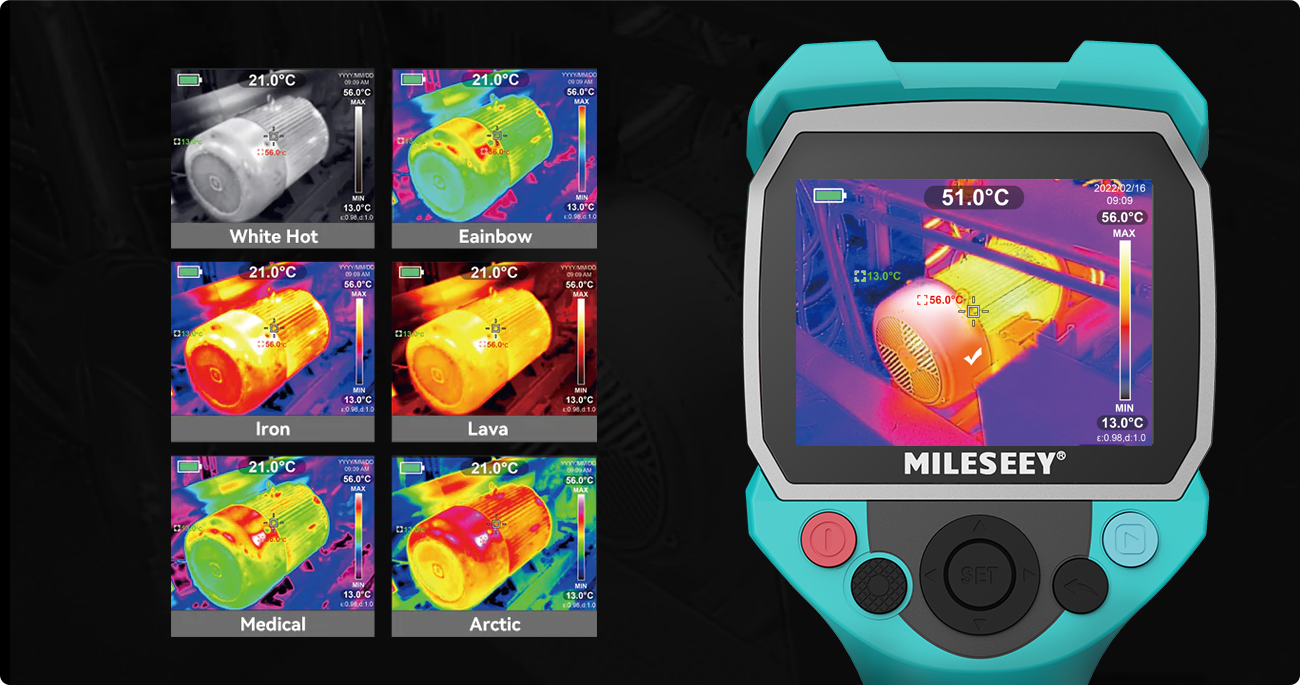
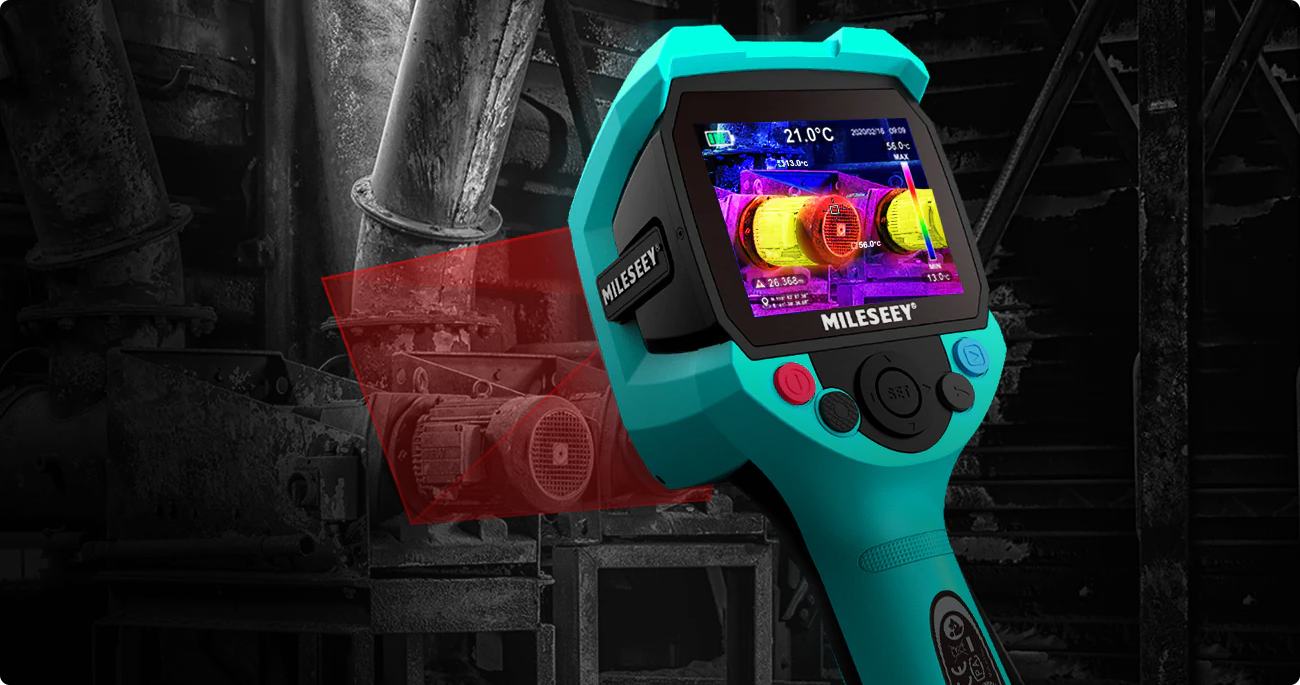
Its official specifications also list 256×192 native infrared resolution, a 50 Hz frame rate, adjustable emissivity, automatic hot- and cold-spot tracking, and high- and low-temperature alerts. These features can support a structured survey, but none replaces target coverage, proper setup, safe access, or a confirmation method. The 3.5-inch 640×480 display presents the image; it should not be confused with the detector's native infrared resolution.
Published field-use details include IP65 protection and a listed 1.5 m drop resistance. They may inform suitability, but official operating limits and handling instructions still apply.
If the documented limits align with your expected targets and environment, review the complete MILESEEY TR256A thermal camera information. Treat the specification as the start of qualification, then evaluate representative targets and procedures for the actual job.
Build a repeatable range-based inspection
- Record the asset, material, load, ambient conditions, distance, and viewing angle.
- Confirm that both the target and camera environment are inside their respective stated ranges.
- Focus the image and verify that the target occupies enough detector pixels.
- Set emissivity and other measurement inputs using a documented method.
- Compare similar components or a repeatable baseline before interpreting a difference.
- Save visual context and confirm important findings with an appropriate second method.
This process turns the range specification into a repeatable procedure and avoids treating one thermogram as sufficient evidence.
Frequently asked questions
Is a wider thermal camera temperature range always better?
No. A wider range can be useful when credible target temperatures span a broad interval, but it does not guarantee greater sensitivity, more detector pixels, better target coverage, or a more suitable workflow. Choose enough range for normal and abnormal conditions, then compare the other specifications that control image and measurement quality.
Can a camera measure a target hotter than its operating range?
Yes, because target measurement range and ambient operating range are separate. Both limits must be met, the setup must follow official guidance, and the work must be performed safely.
Does temperature range determine thermal sensitivity?
No. Range states target-temperature limits. Sensitivity describes the ability to distinguish small differences under stated conditions. Review both.
Choose enough range, then validate the complete setup
A useful thermal-camera shortlist begins with the surfaces and conditions that matter. Define expected temperatures, add justified headroom, check the camera's operating environment, and confirm that resolution, sensitivity, optics, focus, and target coverage fit the task. The widest limit on a specification sheet is only valuable when the rest of the system and the inspection method can turn it into defensible information.