When it comes to precision woodworking, having the right measuring tools can make the difference between a professional-quality project and one that's just slightly off. Among the numerous measuring devices available to woodworkers today, the digital tape measure stands out as a revolutionary tool that combines traditional functionality with modern technology. But is it truly the best measuring tool for woodworking projects? Let's explore this innovative device and how it compares to other options.
Understanding Digital Tape Measures
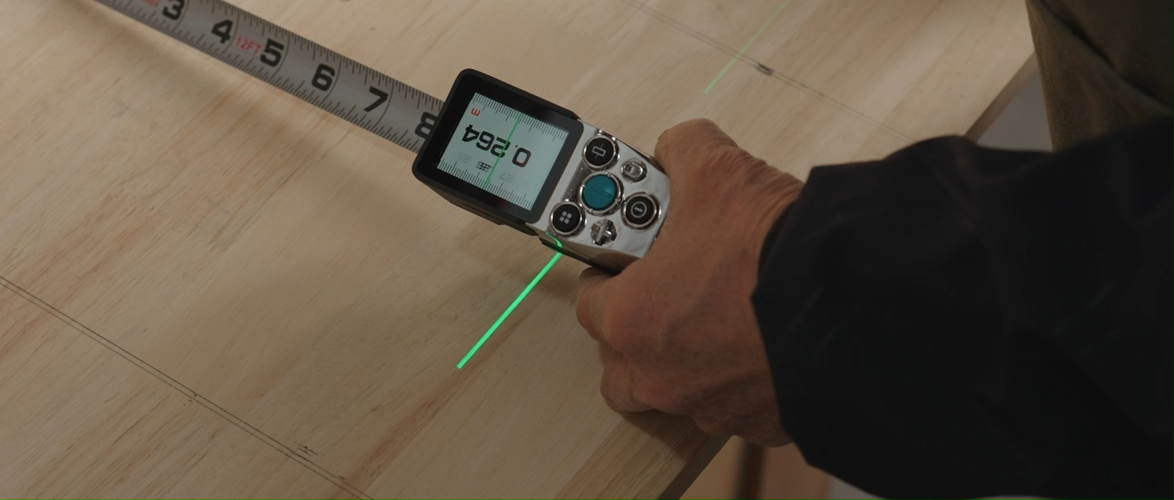
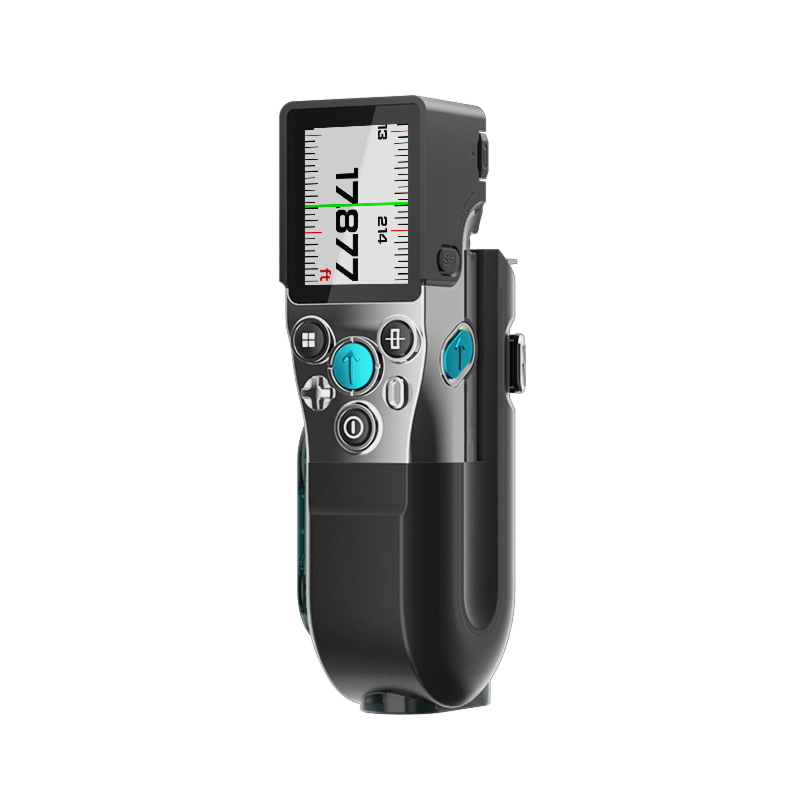
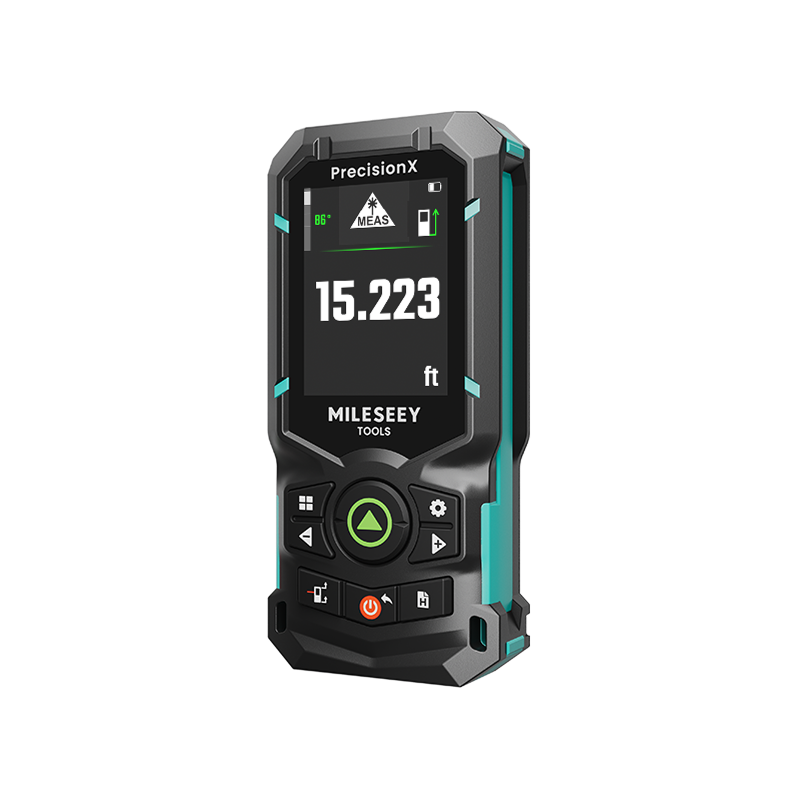
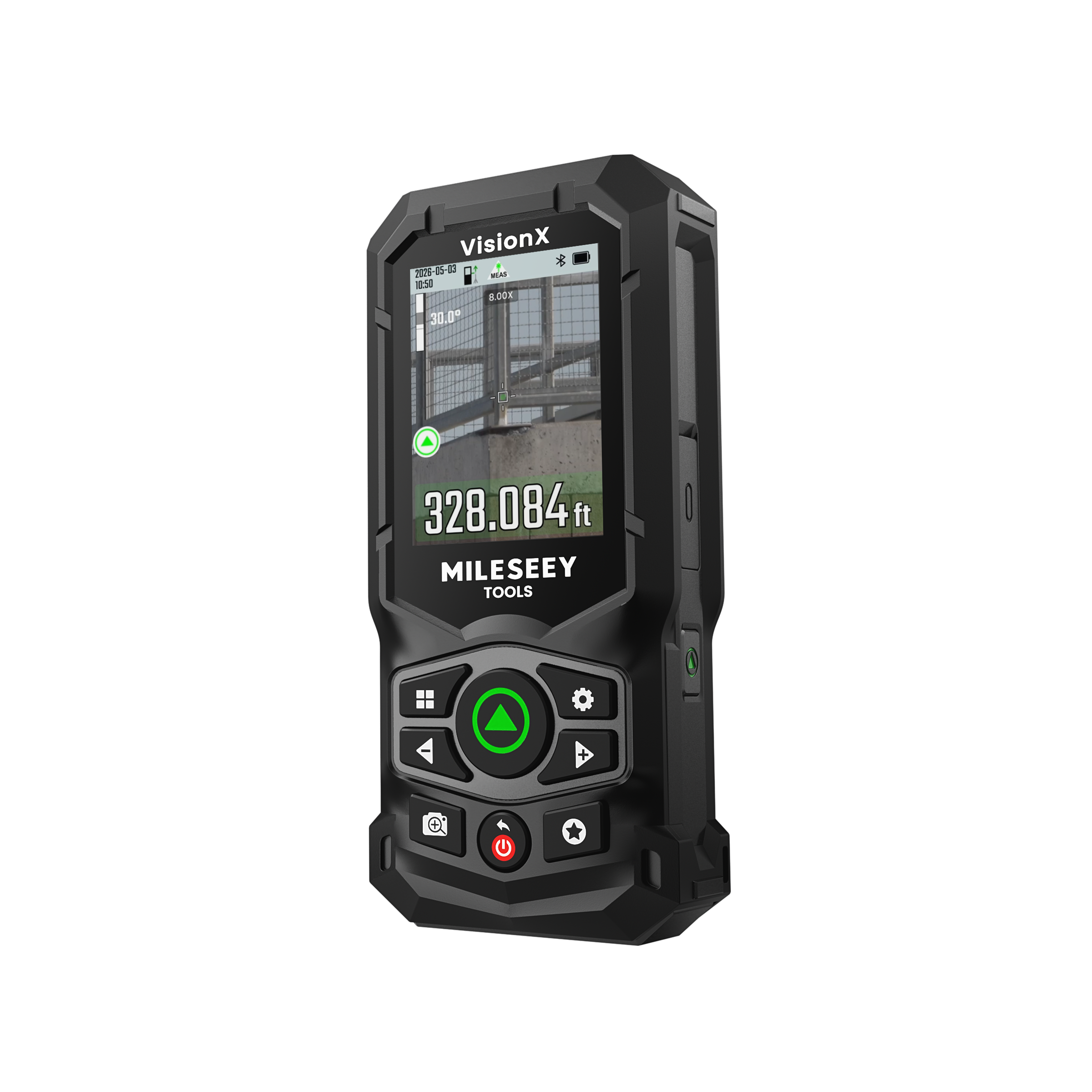
Digital tape measures represent the evolution of the traditional tape measure, incorporating electronic components to provide enhanced accuracy and additional features. These devices typically include a digital display that shows measurements in multiple formats (inches, feet, centimeters, millimeters) with precision down to fractions of an inch or millimeter, depending on the model.
Key Features of Digital Tape Measures
Modern digital tape measures offer numerous advantages that traditional measuring tools simply can't match:
- Instant conversion between imperial and metric units without manual calculation
- Memory functions that store multiple measurements
- Mid-point calculations to find the center of a measured space
- Bluetooth connectivity allowing measurements to be sent directly to smartphones or tablets
- Backlit displays for working in low-light conditions
- Voice readout on premium models for hands-free operation
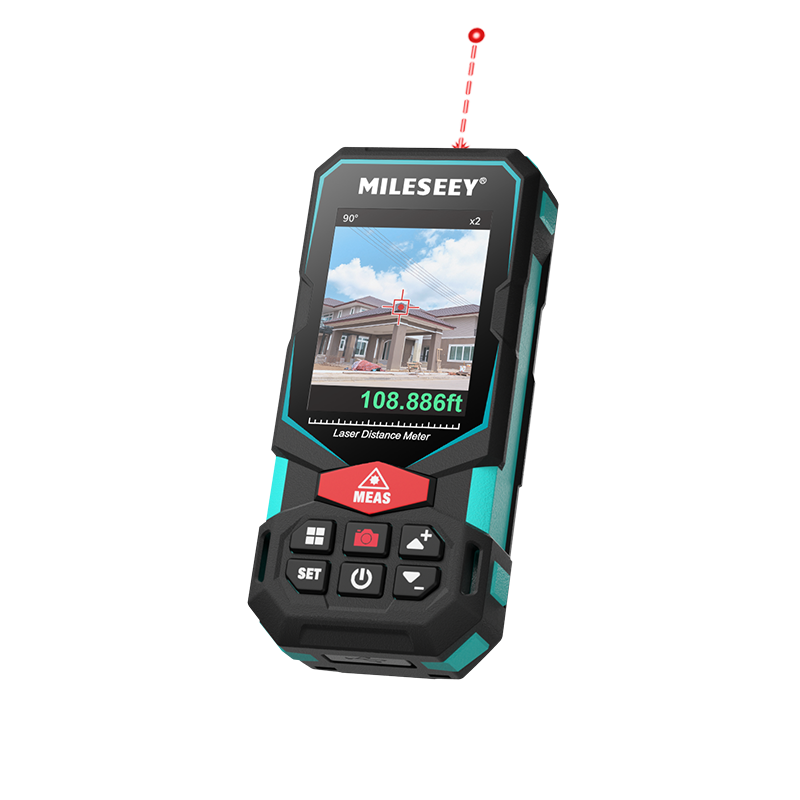
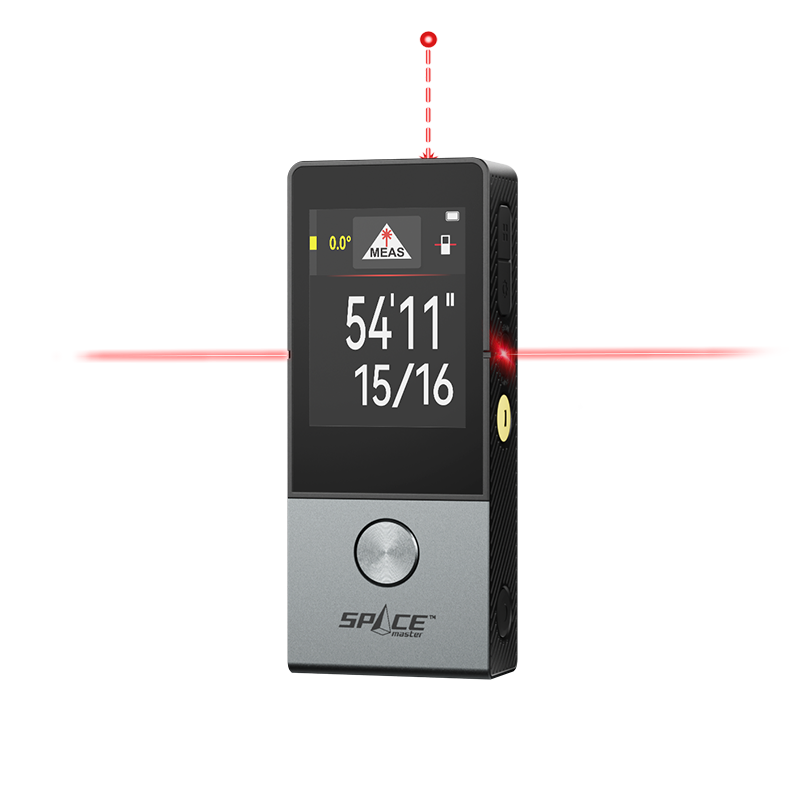
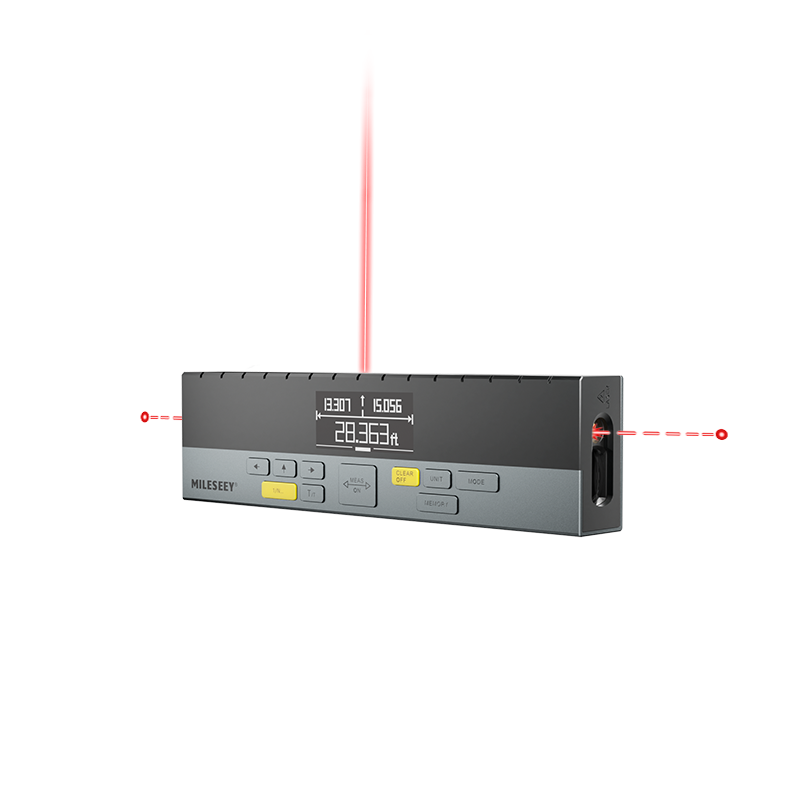
- Laser pointers for more accurate targeting of measurement endpoints
Benefits for Woodworkers
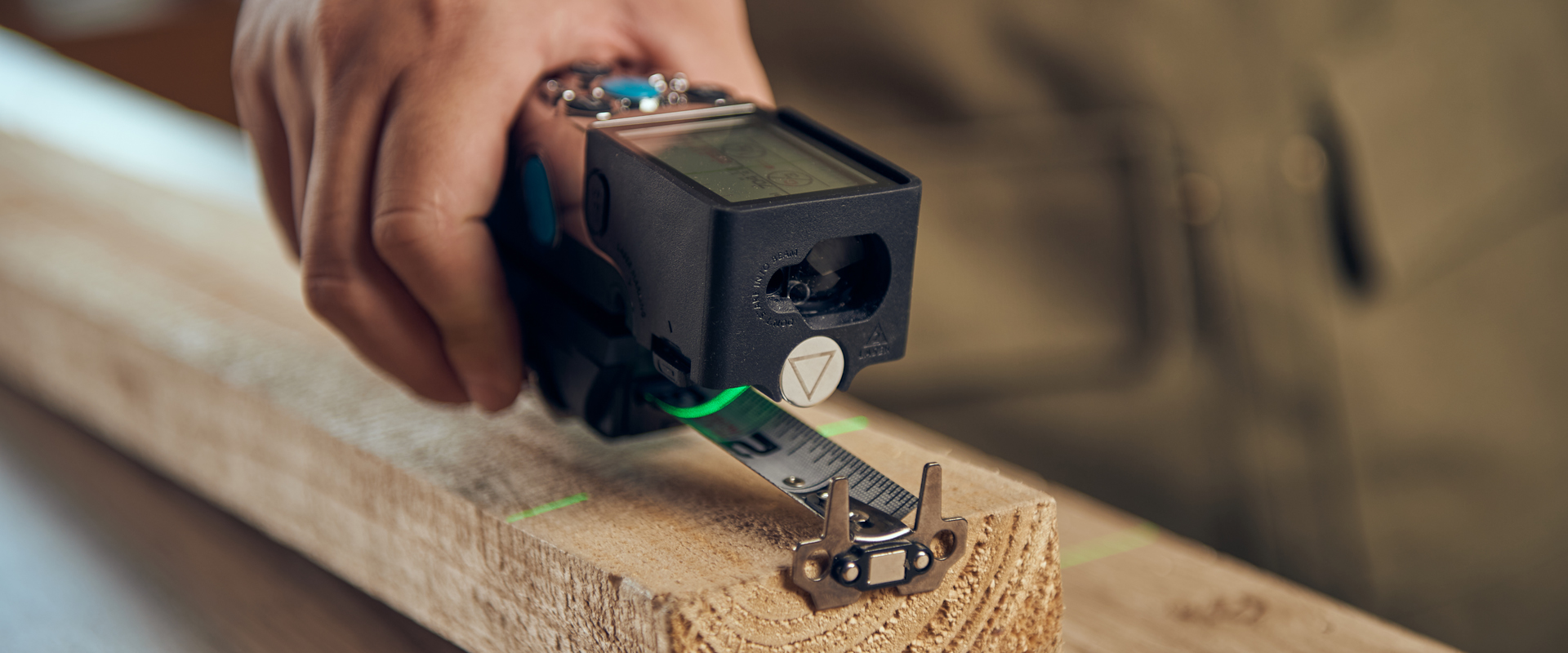
For woodworking specifically, digital tape measures solve several common challenges:
Improved Accuracy: The digital display eliminates the squinting and misreading common with traditional tape measures, reducing measurement errors that can compound throughout a project.
Calculation Assistance: Many models can automatically calculate area or volume, which is invaluable when determining material requirements for cabinets, bookshelves, or other storage projects.
Consistency: When multiple measurements need to be identical, the memory function ensures you're working with exactly the same measurement each time.
Single-person Operation: Extended digital tape measures can often be used effectively by one person, even for longer measurements that would typically require an assistant.
Comparing Digital Tape Measures to Other Woodworking Measurement Tools
While digital tape measures offer significant advantages, woodworking requires a variety of measuring tools for different situations. Here's how they compare:
Digital Tape Measure vs. Traditional Tape Measure
Traditional tape measures remain popular due to their simplicity, durability, and lower cost. However, they lack the precision and additional functions of digital versions. For quick, rough measurements, a traditional tape measure works fine, but for finish carpentry and detailed woodworking, the digital version's precision gives it the edge.
Digital Tape Measure vs. Calipers
Digital calipers excel at measuring small dimensions with extreme precision, making them ideal for joinery and detail work. While a digital tape measure can't match this level of precision for tiny measurements, it's vastly more practical for larger dimensions. Most serious woodworkers will need both tools in their arsenal.
Digital Tape Measure vs. Squares and Rules
Squares (like combination squares, try squares, and framing squares) and steel rules serve specialized functions that digital tape measures can't replace. These tools help ensure right angles and straight lines, which are fundamental to woodworking. A digital tape measure complements these tools rather than replacing them.
Choosing the Right Digital Tape Measure for Woodworking
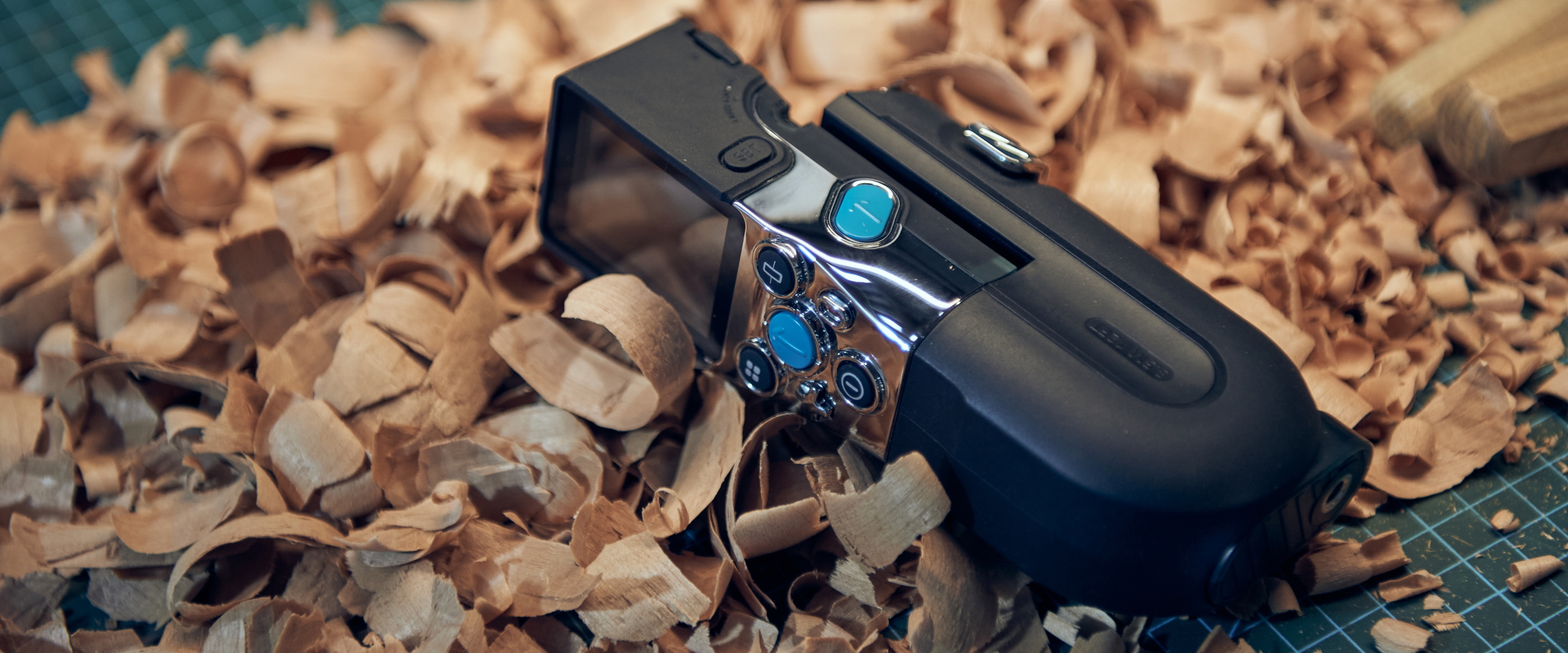
When selecting a digital tape measure for woodworking, consider these important factors:
Accuracy Rating: Look for models with high accuracy ratings.
Durability: Woodshops can be dusty and sometimes humid environments. Choose models with robust construction and some degree of dust and moisture resistance.
Battery Life: Opt for models with long battery life or those that maintain stored measurements even when powered off.
Tape Length and Quality: Ensure the physical tape extends far enough for your typical projects and is made of durable material that won't easily kink or break.
Display Clarity: The digital display should be easily readable in various lighting conditions.
Limitations to Consider
Despite their advantages, digital tape measures aren't perfect for every measuring task:
- They typically cost several times more than traditional tape measures
- They require batteries, which can fail at inconvenient times
- Some models may be affected by extreme temperatures
- The electronic components may be sensitive to dust and moisture
Conclusion: Is a Digital Tape Measure the Best Choice?
For the modern woodworker focused on precision and efficiency, a digital tape measure represents an excellent addition to their toolkit, though not necessarily a replacement for all other measuring devices. It excels in providing quick, accurate measurements with helpful additional functionalities that streamline the measuring process.
The best approach for serious woodworkers is to view the digital tape measure as part of a comprehensive measuring toolkit. When paired with quality squares, rules, and calipers, a good digital tape measure helps elevate your woodworking to new levels of precision and efficiency.
Whether you're building custom furniture, crafting detailed cabinetry, or working on home improvement projects, adding a digital tape measure to your collection of tools is an investment that can significantly improve both your workflow and final results.
.png?w=800&h=800)
.png?w=800&h=800)