Laser tape measures, also known as laser distance meters, have revolutionized the way we measure distances. But just how precise are these digital measuring tools? In this blog post, we'll explore the accuracy of laser tape measures, how they work and the factors that affect their performance.
How Laser Tape Measures Work
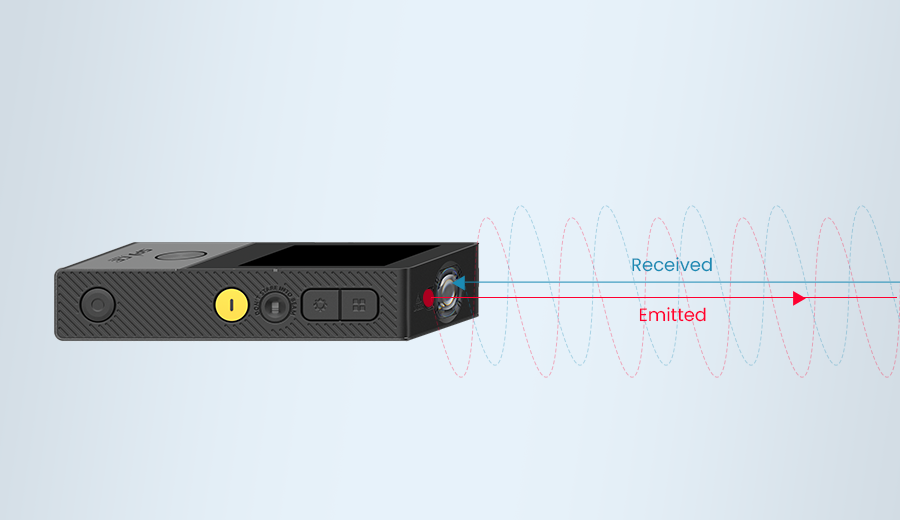
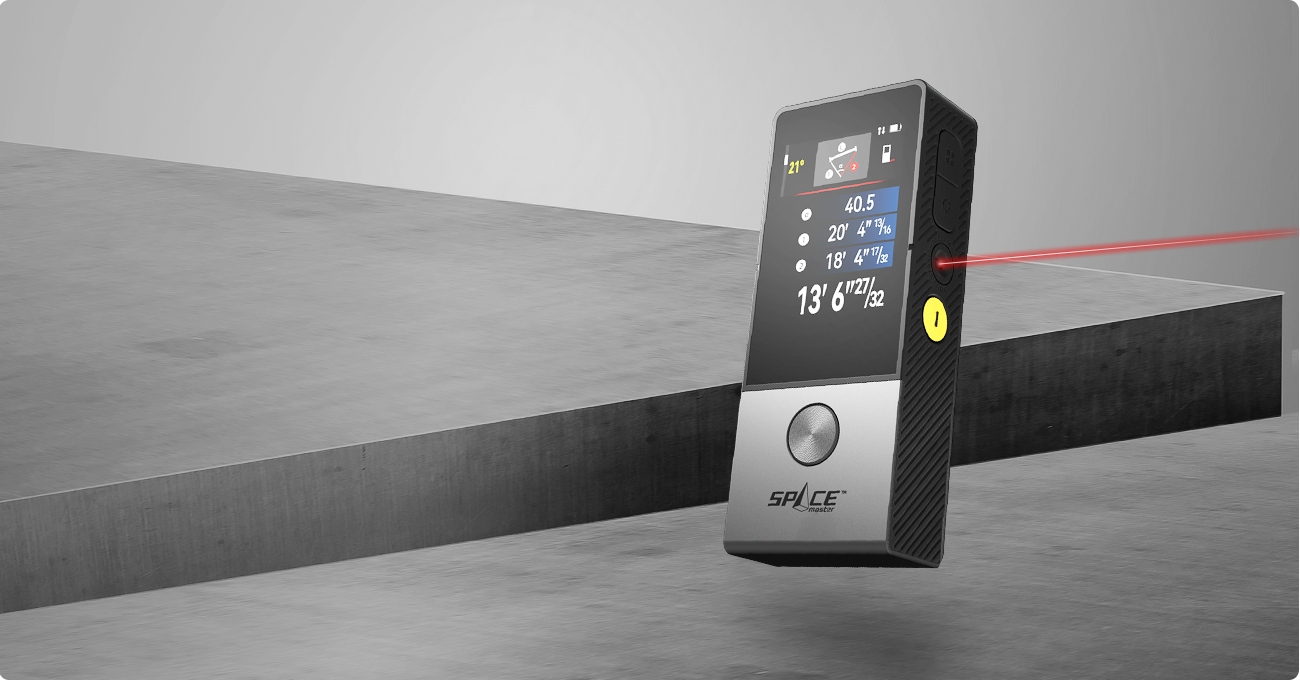
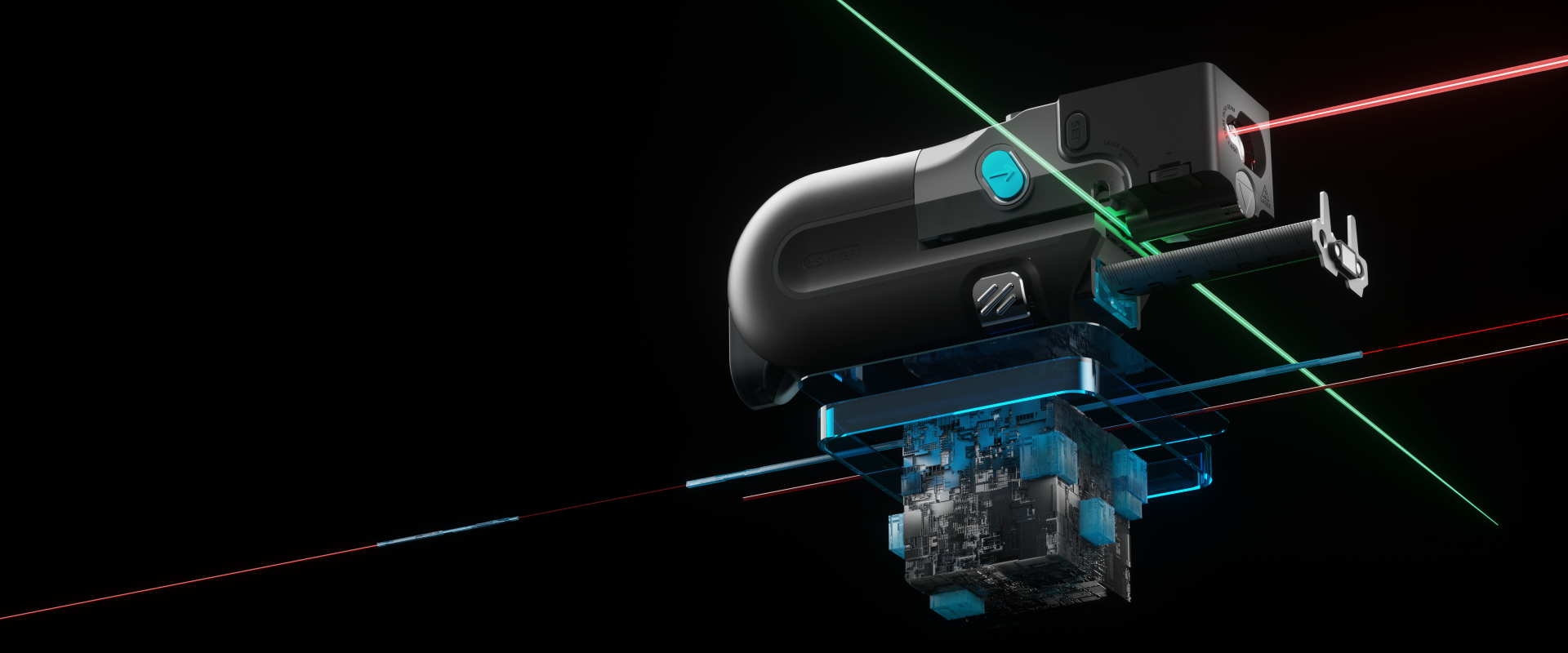
Laser tape measures use a technology called indirect time-of-flight (iTOF) to determine distances. Here's a step-by-step breakdown of how iTOF works:
-
Laser measure tools emit a laser beam towards the target surface.
-
The laser beam hits the target and reflects back. As the laser beam reaches the target surface, it reflects off of it and travels back to the device.
-
Due to the time it takes for the light to travel to the target and back, there is a phase shift between the original and reflected beams.
-
By measuring the phase shift between the original and reflected laser beams, the laser measuring device can accurately calculate the distance to the target.
iTOF laser measure allows for more precise distance measurements and are less affected by light conditions, as they can effectively filter out background noise and focus on the specific frequency of the laser beam.
The use of iTOF technology in laser tape measures has enabled these devices to achieve even higher levels of accuracy and reliability, making them essential tools for a wide range of applications in construction, engineering, and home improvement.
Are Laser Measuring Devices Accurate
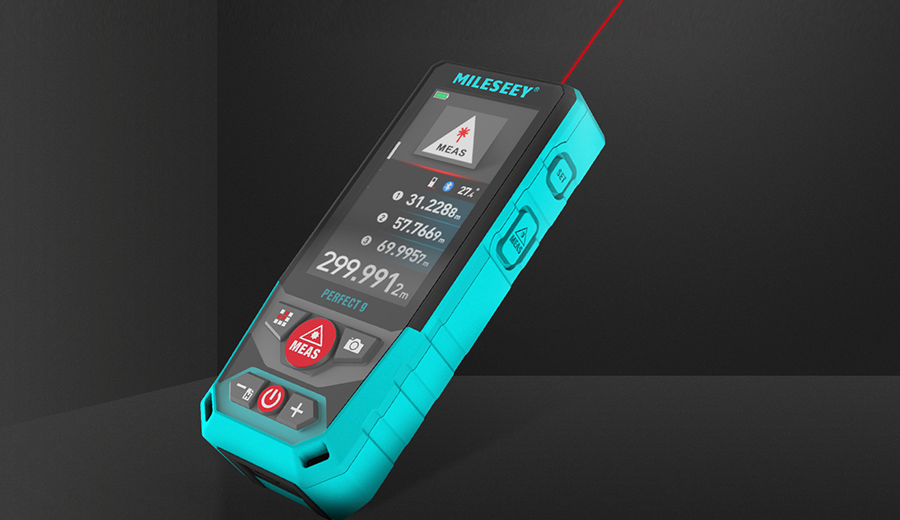
Short answer is yes. Laser measuring devices are highly accurate. Most laser tape measures on the market today boast an accuracy of within 1/8 inch or 1/16 inch, with some high-end models claiming even higher precision. This means that for every measurement taken, the device is capable of providing a result that falls within 1/8 or 1/16 of an inch from the actual distance. To put this into perspective, 1/16 inch is about the thickness of a penny.
However, it's important to note that the accuracy of a laser tape measure can be influenced by various factors, such as the distance being measured, the surface being targeted, and environmental conditions.
Factors Affecting Laser Tape Measure Accuracy
-
Measuring Distance: Generally, the accuracy of a laser tape measure decreases as the distance being measured increases. While most devices maintain their stated accuracy up to their maximum range, it's always best to refer to the manufacturer's specifications for the exact accuracy at different distances.
-
Surface Type: The surface being targeted can also impact the accuracy of the measurement. Laser tape measures work best on solid, flat, and light-colored surfaces that can reflect the laser beam effectively. Rough, dark, or glossy surfaces may cause the laser to scatter or absorb, leading to less accurate readings.
-
Environmental Conditions: Temperature, humidity, and bright sunlight can all affect the performance of a laser tape measure. Extreme temperatures can cause the device's components to expand or contract, while humidity can impact the laser's ability to travel through the air. Bright sunlight can also make it difficult to see the laser point on the target surface.
-
User Error: As with any measuring tool, user error can contribute to inaccuracies. Shaky hands, improper device positioning, or failing to properly align the laser with the target can all lead to incorrect measurements.
Mileseey Tools D9 Pro and Mileseey Tools P9 Performance
Laser Measures Accuracy
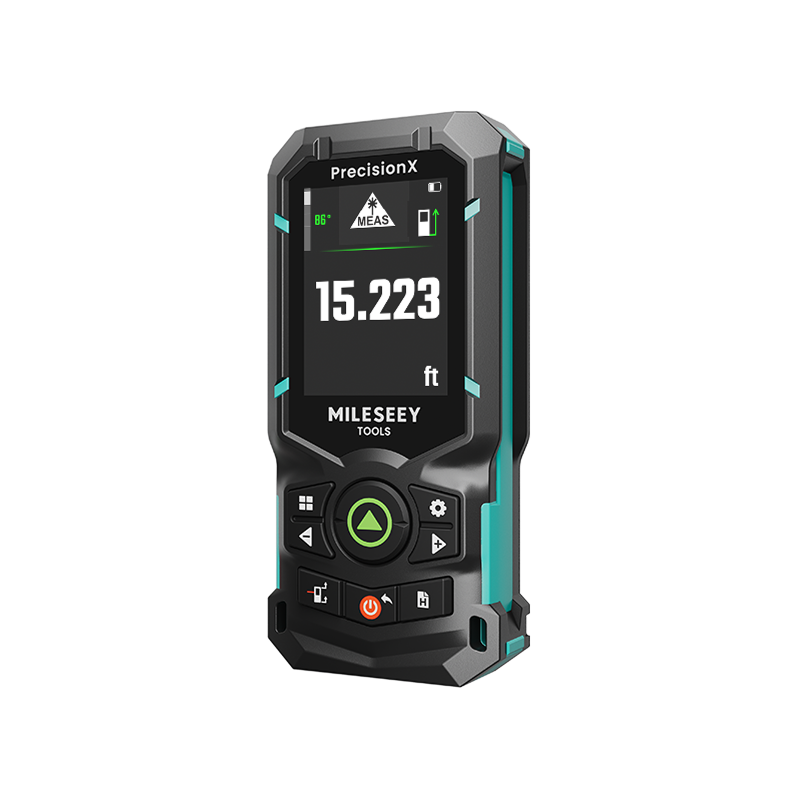
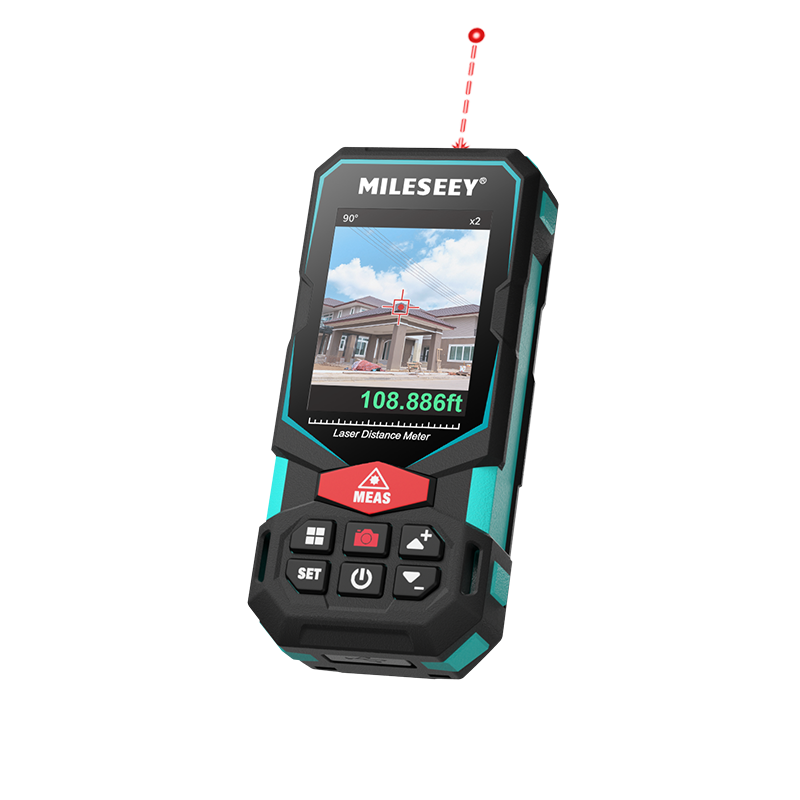
Mileseey D9 Pro laser measuring tape and Mileseey P9 outdoor laser measure are two advanced laser measure tools that offer exceptional accuracy. Both devices utilize Mileseey's patented PowerBurst and PowerChirp technology, which significantly enhances their accuracy and range.
PowerBurst and PowerChirp make laser tape measures emit stronger laser pulses, reaching farther distances and reflecting off targets better. The device can now better separate the laser pulse from background noise, making distance calculations more stable and accurate.
With these innovative technologies, Mileseey D9 Pro boasts an impressive accuracy of ±1/16" and a range of up to 330 feet, while Mileseey P9 offers an accuracy of ±2.0mm and a maximum range of 980 feet. These specs make both devices good for many different measuring tasks, from small DIY projects to big professional jobs.
More Powerful Features
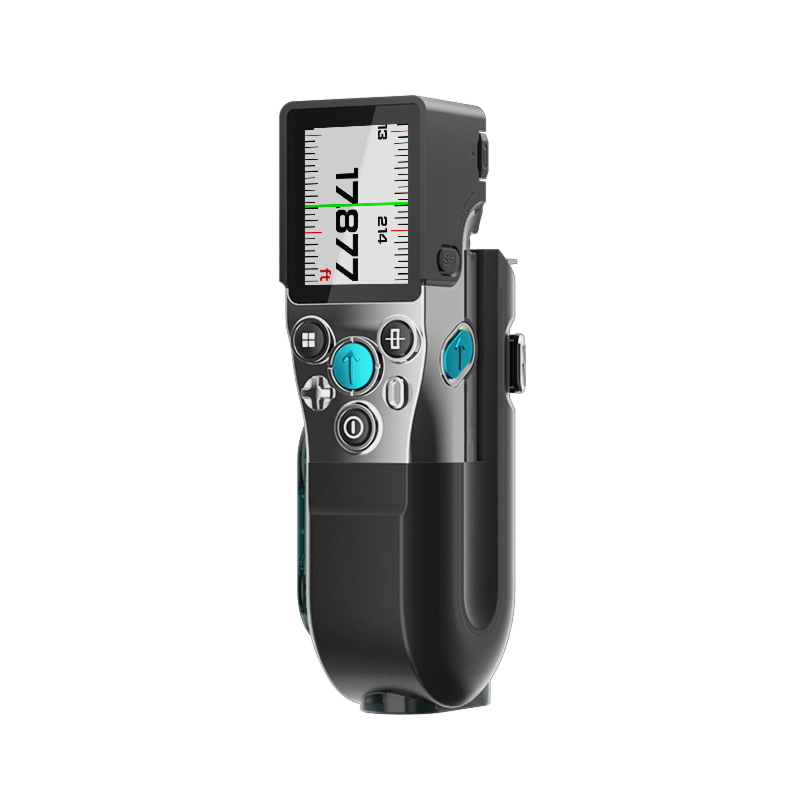
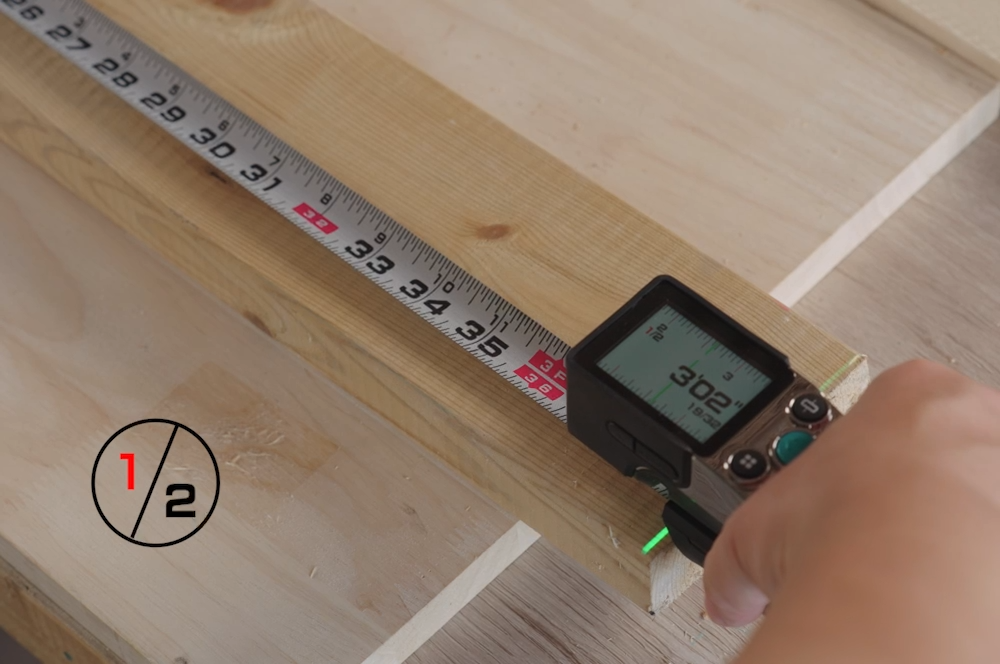
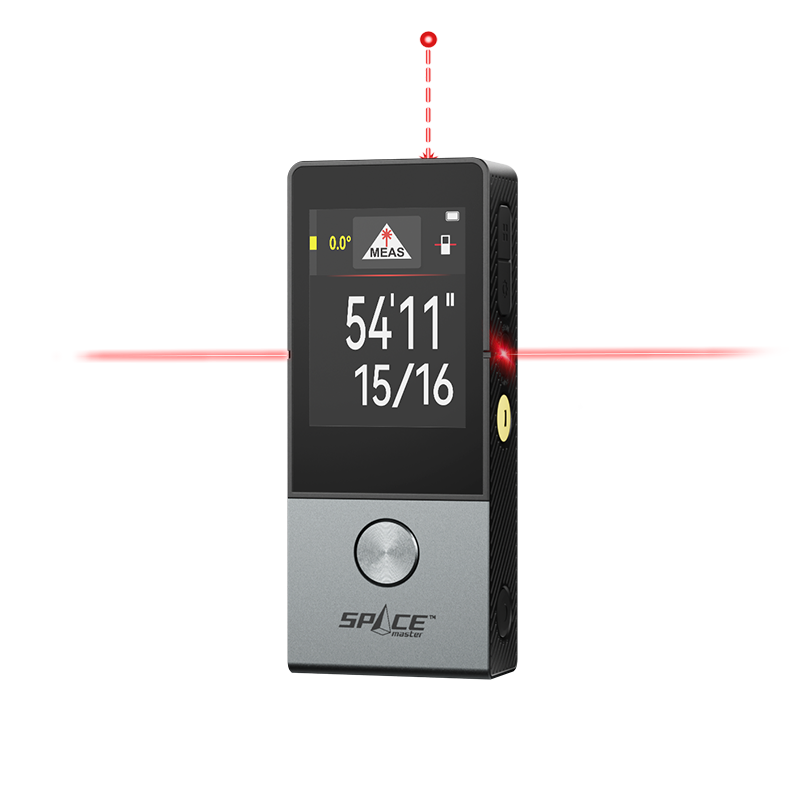
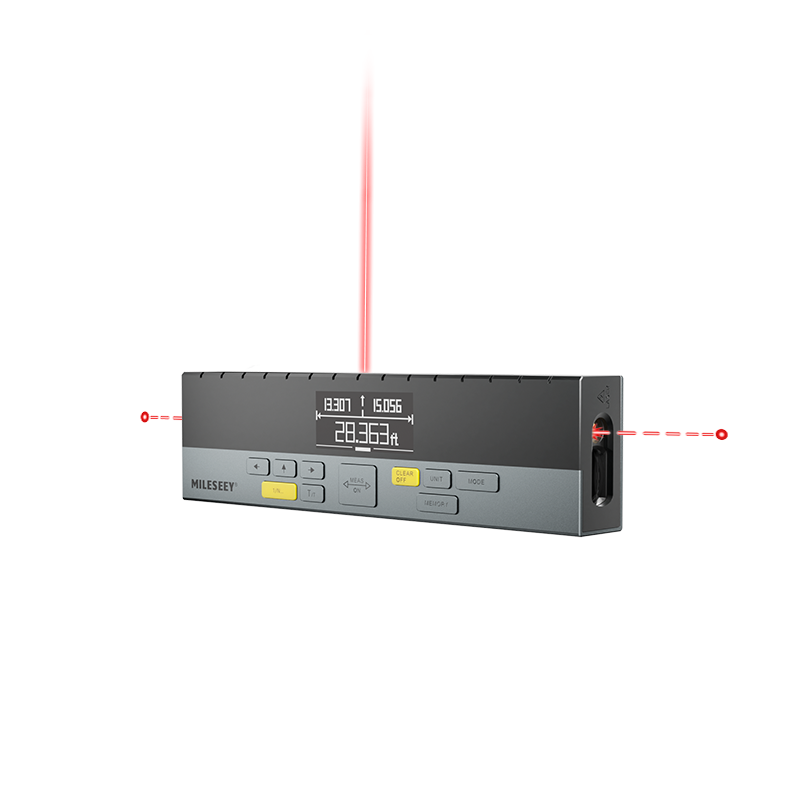
Mileseey D9 Pro features a unique dual visual aligning indicator design, which helps users accurately target the laser for precise measurements. The device also incorporates cutting-edge Point-to-Point (P2P) technology, allowing users to measure the distance between any two points from a single location.
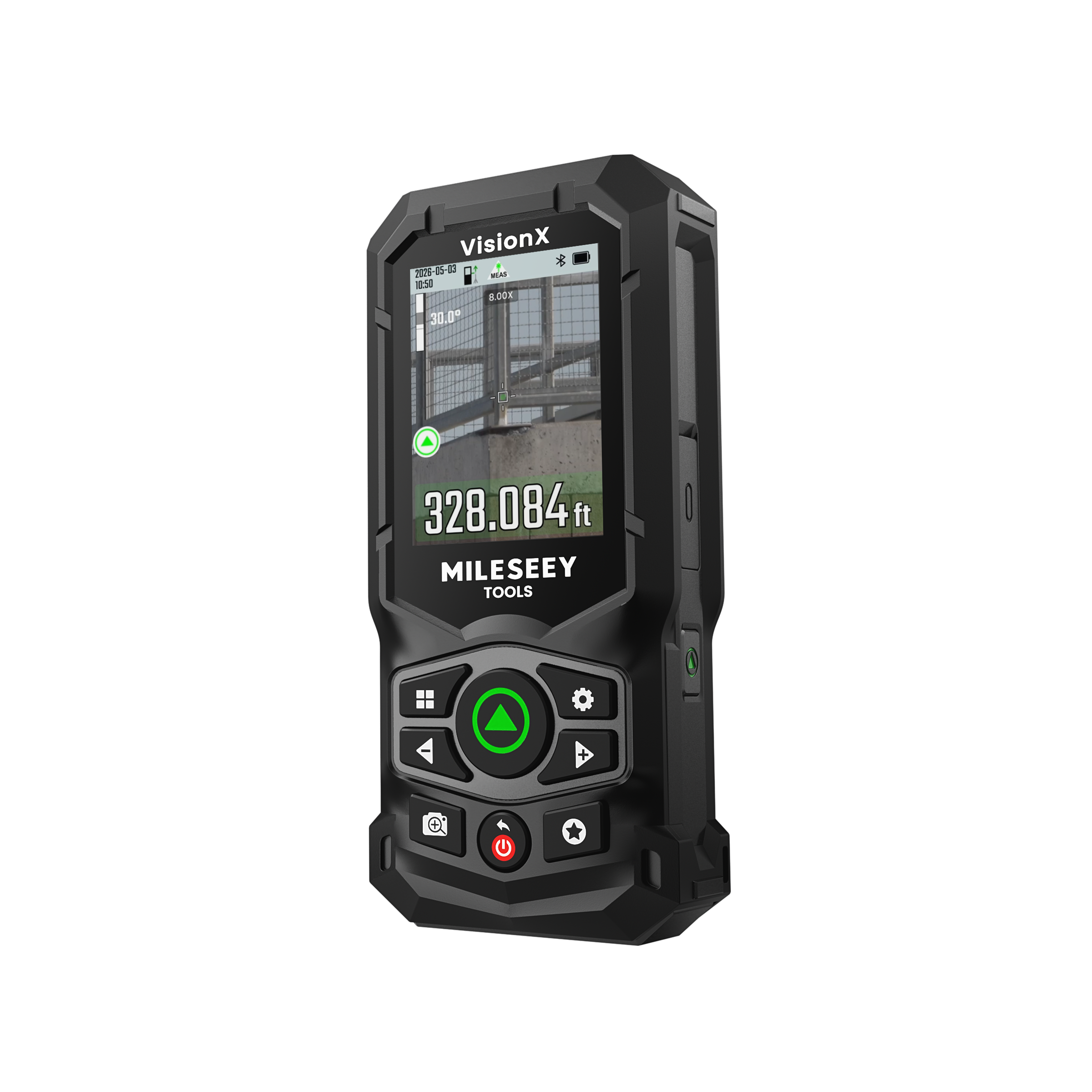
Mileseey P9, on the other hand, is designed for both indoor and outdoor use, with a maximum range of 980 feet and an accuracy of ±2.0mm. It features a high-precision camera viewfinder that makes it easy to lock onto the target object, even in bright outdoor conditions. The P9 also includes Point-to-Point (P2P) measurement capabilities and a large 3-inch HD color display. With an IP65 rating, the P9 is dust and water-resistant, making it suitable for use in various environments.
Maximizing Laser Tape Measure Accuracy
To ensure the most accurate measurements possible, consider the following tips:
-
Use a tripod or a stable surface to minimize hand movement and ensure proper alignment.
-
When measuring long distances, take multiple measurements and calculate the average to reduce the impact of any individual inaccuracies.
-
If possible, choose a target surface that is flat, solid, and light-colored for optimal laser reflection.
-
Be mindful of environmental conditions and adjust your measuring technique accordingly.
-
Regularly calibrate your laser tape measure according to the manufacturer's instructions to maintain its accuracy over time.
Laser Tape Measures vs. Traditional Tape Measures
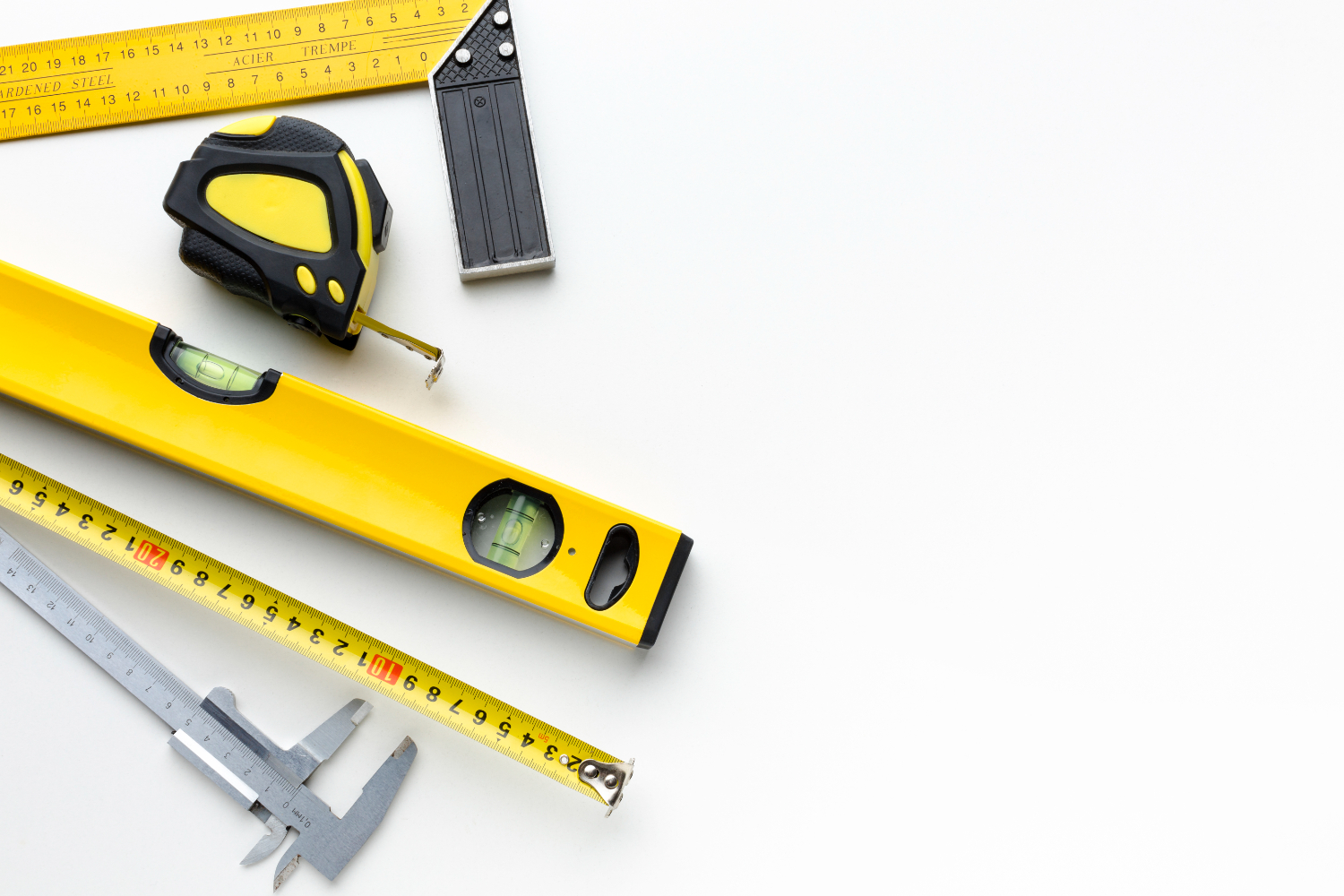
While traditional tape measures have been a staple in construction and DIY projects for decades, laser tape measures offer several advantages:
-
Longer Range: Laser tape measures can accurately measure distances up to several hundred feet, far beyond the reach of a traditional tape measure.
-
One-Person Operation: With a laser tape measure, a single person can measure long distances without the need for assistance, saving time and effort.
-
Increased Efficiency: Laser tape measures provide near-instantaneous readings, allowing for quicker measurements and increased productivity.
-
Versatility: Many laser tape measures come with additional features, such as the ability to calculate area, volume, and indirect measurements (using the Pythagorean theorem).
Conclusion
Laser measures offer an impressive level of accuracy, typically within 1/8 or 1/16 of an inch, making them a reliable choice for a wide range of measuring tasks. Mileseey D9 Pro and Mileseey P9 are two excellent examples of advanced laser measuring devices that provide high accuracy, long range, and a variety of useful features.
By understanding how laser tape measures work, the factors that can affect their accuracy, and following best practices for use, you can ensure that your device provides the precise results you need for your projects. Whether you're a pro contractor or DIY fan, getting a good laser tape measure can improve your measuring skills and efficiency.
.png?w=800&h=800)
.png?w=800&h=800)