Accurate measurements are the foundation of successful projects, whether you're a professional contractor or a weekend warrior dealing with home improvements. For decades, tape measure has been a staple in toolboxes worldwide. However, with advancements in technology, laser measures have emerged as a reliable alternative, with promising accuracy, speed and convenience.
In this article, we'll compare these two options, examining their strengths, weaknesses, and ideal applications. By the end of this article, you'll have a clear understanding of when to reach for a tape measure and when a laser measure might be the better choice.
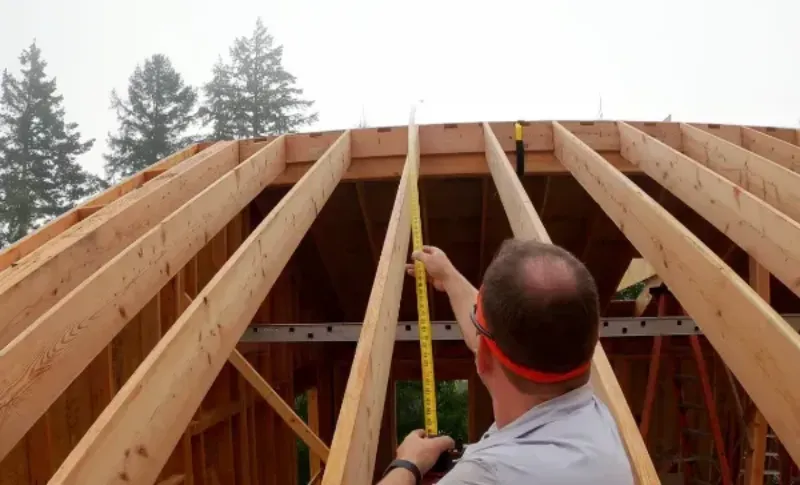
Tape Measures
The traditional tape measure has been a reliable tool for generations of workers and DIY enthusiasts.
Advantages:
-
Durability: Built to withstand rough handling and adverse conditions
-
No batteries required: Always ready for use
-
Tactile feedback: Allows for physical contact with the surface being measured
-
Versatility: Can measure curved or irregular surfaces
-
Cost-effective: Generally more affordable than laser alternatives
-
Widely available: Could be found in nearly every hardware store
Disadvantages:
-
Limited range: Typically maxes out at 25-100 feet
-
Requires physical access: Challenging for hard-to-reach areas
-
Potential for human error: Misreading measurements or not holding the tape straight
-
Two-person job for longer distances: One person at each end for accuracy
-
Wear and tear: Tape can become damaged or stretched over time, affecting accuracy
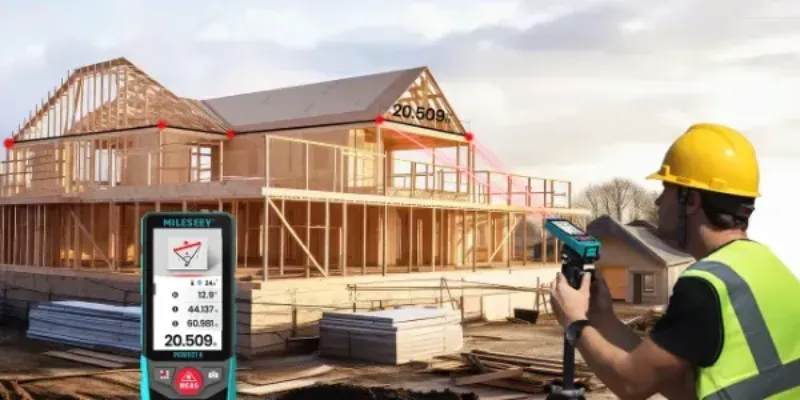
Laser Tape Measures
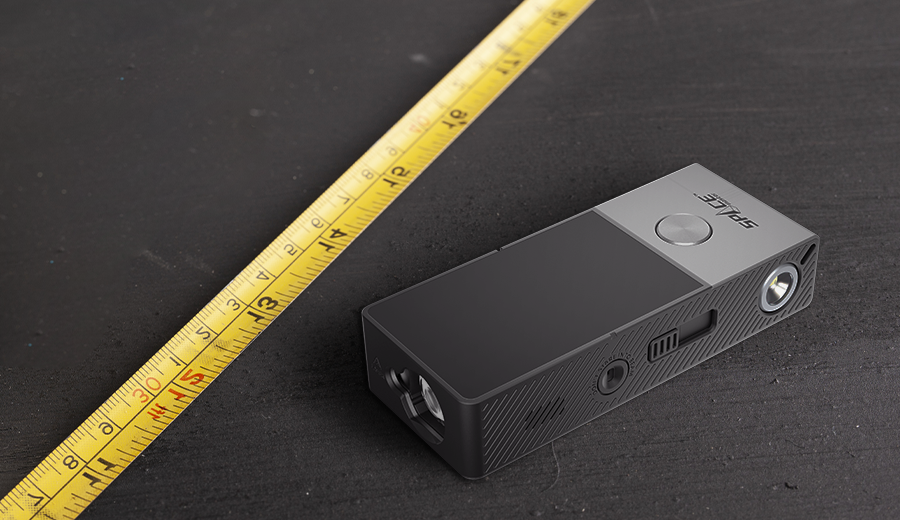
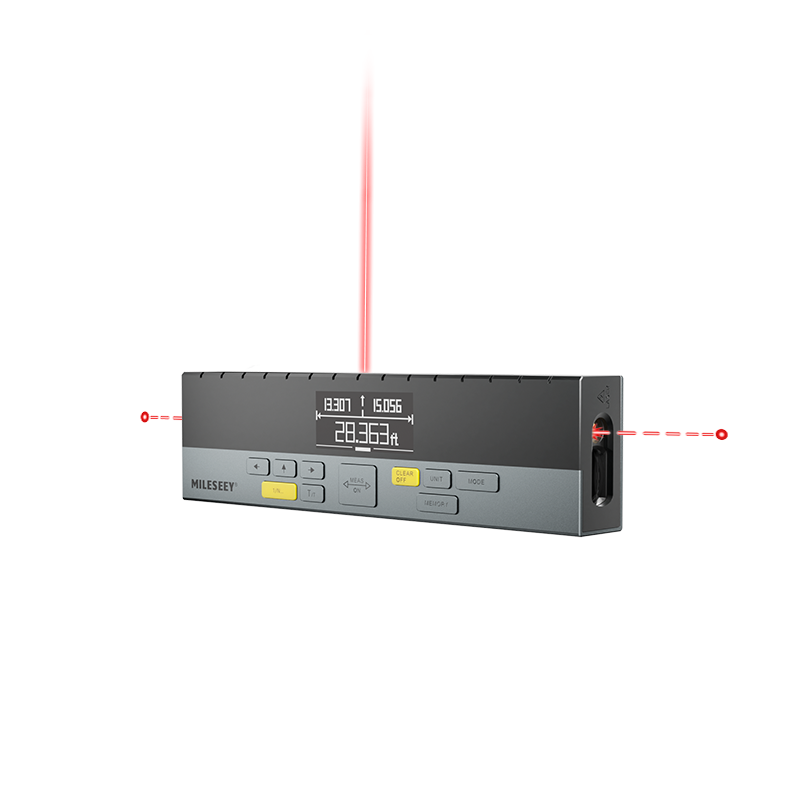
Laser tape measures use laser technology to calculate distances quickly and accurately. They project a laser beam that bounces off the target surface, measuring the time it takes for the beam to return and converting it into a distance measurement.
How they work
Laser tape measures emit a beam of light that reflects off the target surface. The device measures the time it takes for the light to return, using this information to calculate the distance. This process happens almost instantaneously, providing quick and accurate readings.
Advantages
-
Speed: Instant measurements with the push of a button
-
Extended range: Many models can measure up to 300 feet or more
-
Single-person operation: No need for assistance, even for long distances
-
Accuracy: Minimizes human error in reading and recording measurements
-
Digital display: Clear, easy-to-read measurements
-
Additional features: Many models calculate area, volume, angle, and can store multiple measurements
-
Ideal for hard-to-reach areas: Can measure distances without physical access
-
Non-contact measurements: Useful for safety in certain scenarios (e.g., electrical work)
Disadvantages
-
Higher cost: Generally more expensive than traditional tape measures
-
Battery dependent: Requires charged batteries or regular battery replacement
-
Learning curve: May take time to master all features and functions
-
Difficulty with curved surfaces: Best suited for straight-line measurements
Can a laser measure replace a tape measure?
The question of whether a laser measure can completely replace a traditional tape measure depends on various factors, including the specific requirements of your projects and personal preferences.
Situations where laser measures excel
-
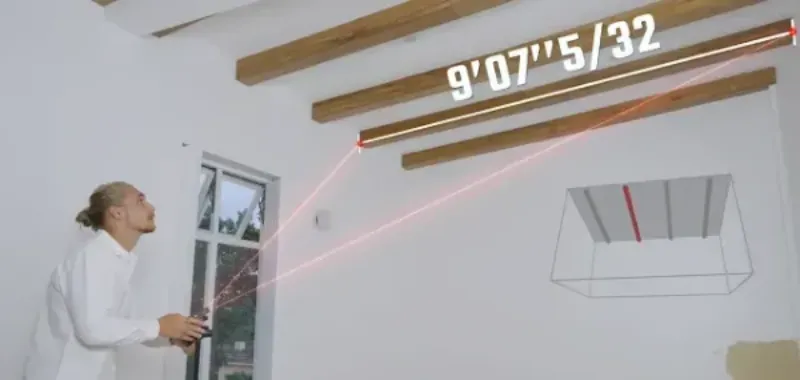
Large-scale measurements: Ideal for quickly measuring room dimensions or long distances
-
Inaccessible areas: Perfect for heights, across obstacles, or in tight spaces
-
Professional settings: Construction sites, real estate, and interior design where quick, accurate measurements are crucial
-
Safety-critical scenarios: When physical contact with the measured surface is dangerous or impractical
Scenarios where tape measures are still necessary
-
Curved or irregular surfaces: Traditional tapes can conform to non-linear shapes
-
Marking and cutting: When you need to mark specific lengths on materials
-
Woodworking and crafts: For precise, hands-on measurements in smaller scale projects
-
Backup tool: When batteries die or in conditions not suitable for laser measures
The benefits of having both tools in your toolkit
Ultimately, many professionals and DIY enthusiasts find value in owning both types of measuring tools. Each has its strengths, and having both at your disposal ensures you're prepared for any measurement scenario. The versatility of a traditional tape measure combined with the speed and range of a laser measure creates a comprehensive measurement solution.
Are laser measures more accurate?
The accuracy of measurements depends on various factors, regardless of whether you're using a laser or traditional tape measure. High-quality laser measures can offer accuracy within ±1/16 inch over distances up to 100 feet or more. Traditional tape measures can be similarly accurate but are more susceptible to user error, especially over longer distances.
Tips for ensuring accurate measurements:
-
For laser measures:
-
Ensure a clear line of sight to the target
-
Use in appropriate lighting conditions
-
Keep the device steady when taking measurements
-
Regularly calibrate the tool according to manufacturer instructions
-
-
For traditional tape measures:
-
Keep the tape straight and taut
-
Ensure the hook at the end is functioning correctly
-
Read the measurement at eye level to avoid parallax error
-
Replace worn or damaged tapes
-
We have posted an article about laser measure accuracy, where we talked about how accurate they are and factors that may impact their accuracy.
Choosing the Right Tool for the Job
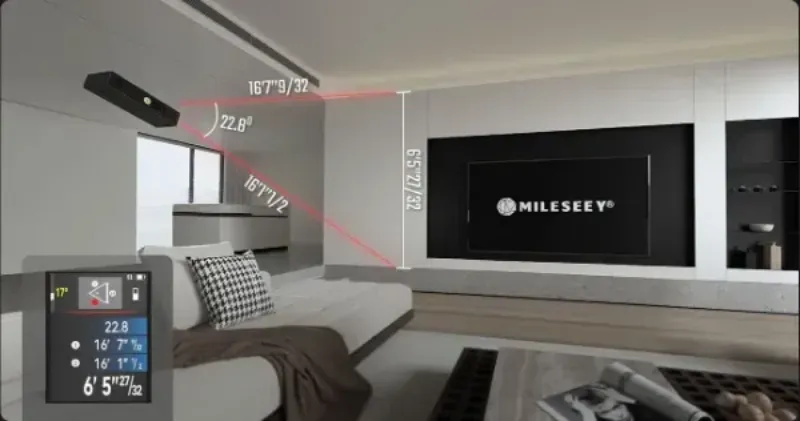
Selecting between a laser measure and a tape measure depends on several factors:
Accuracy requirements: Both tools can be accurate, but laser measures may provide more consistent results, especially over longer distances.
Budget: If cost is a primary concern, traditional tape measures are more affordable. However, if you frequently need to take measurements, the time saved with a laser measure might justify the higher initial investment.
Frequency of use: users could benefit from the speed and convenience of a laser measure if they need to measure distances frequently.
Working conditions: Consider the environments where you'll be using the tool. Laser measures excel in open spaces but may struggle in bright outdoor conditions.
Type of work: For general household tasks and DIY projects, a traditional tape measure might suffice. For professional construction, real estate, or large-scale projects, a laser measure could be more efficient.
Recommendations
-
DIY enthusiasts: A good-quality traditional tape measure for most projects, with a basic laser measure for occasional use in larger spaces.
-
Professional contractors: Invest in both a high-quality laser measure for quick long-distance measurements and a durable traditional tape for versatility.
-
Interior designers: A laser measure can be invaluable for quickly assessing room dimensions and planning layouts.
-
Real estate professionals: A compact outdoor laser measure can streamline the process of measuring properties.
Conclusion
Both laser tape measures and traditional tape measures have their place in the modern toolkit. Traditional tape measures offer durability, versatility, and cost-effectiveness, making them indispensable for many tasks. Laser tape measures bring speed, extended range, and advanced features to the table, excelling in scenarios where quick, long-distance measurements are needed.
The choice between the two often comes down to the specific requirements of your projects, working conditions, and personal preferences. Many professionals and serious DIY enthusiasts find that having both tools at their disposal provides the most comprehensive solution for all their measuring needs.
As technology continues to advance, laser measuring tools are likely to become more affordable and feature-rich. However, the simplicity and reliability of traditional tape measures ensure they'll remain relevant for years to come.
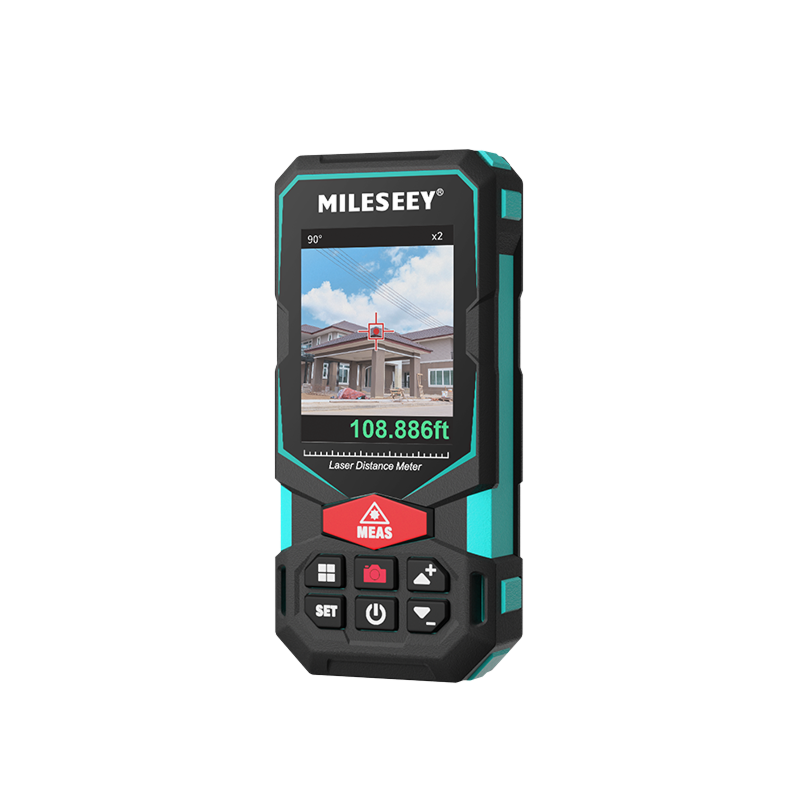
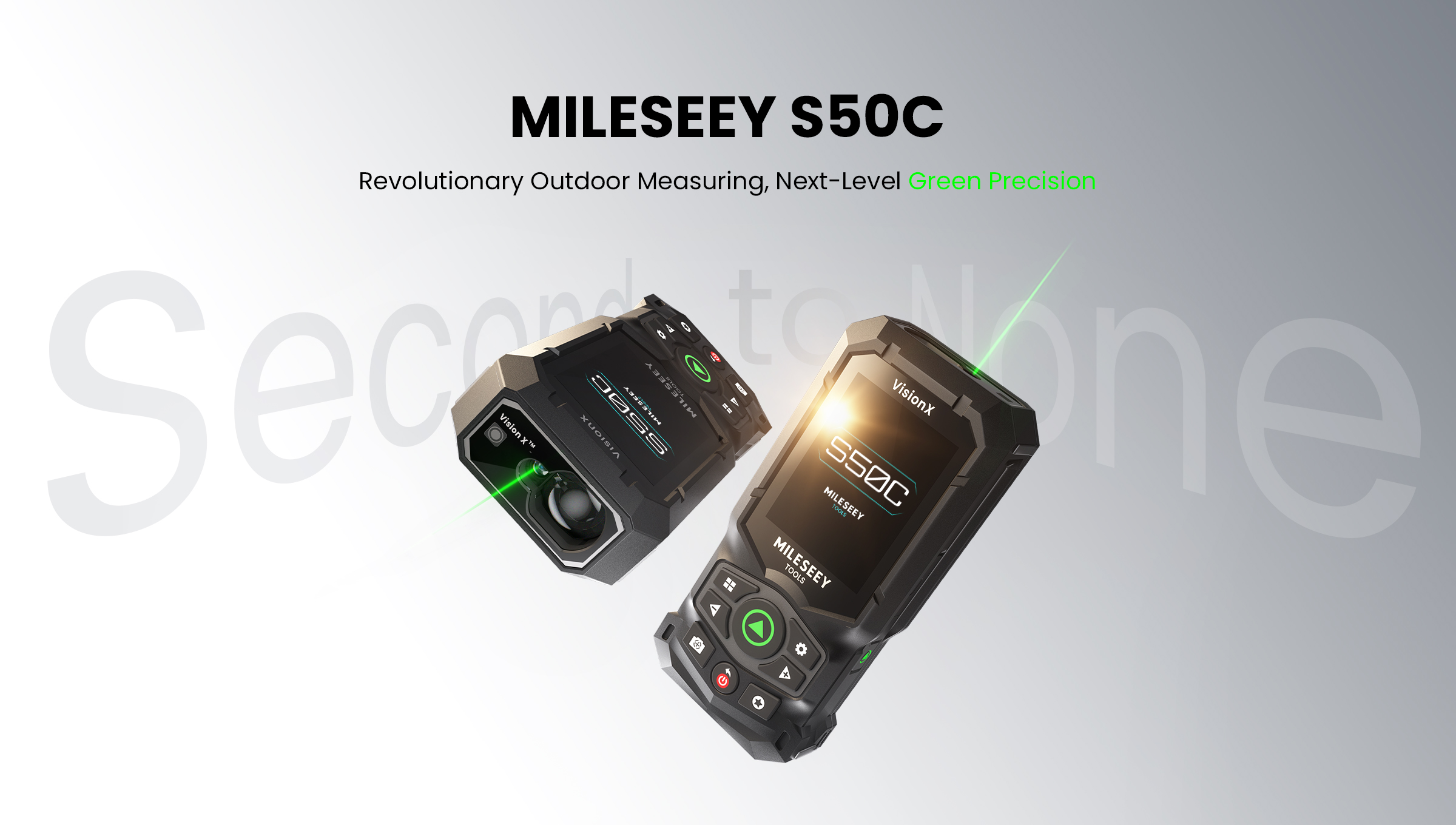
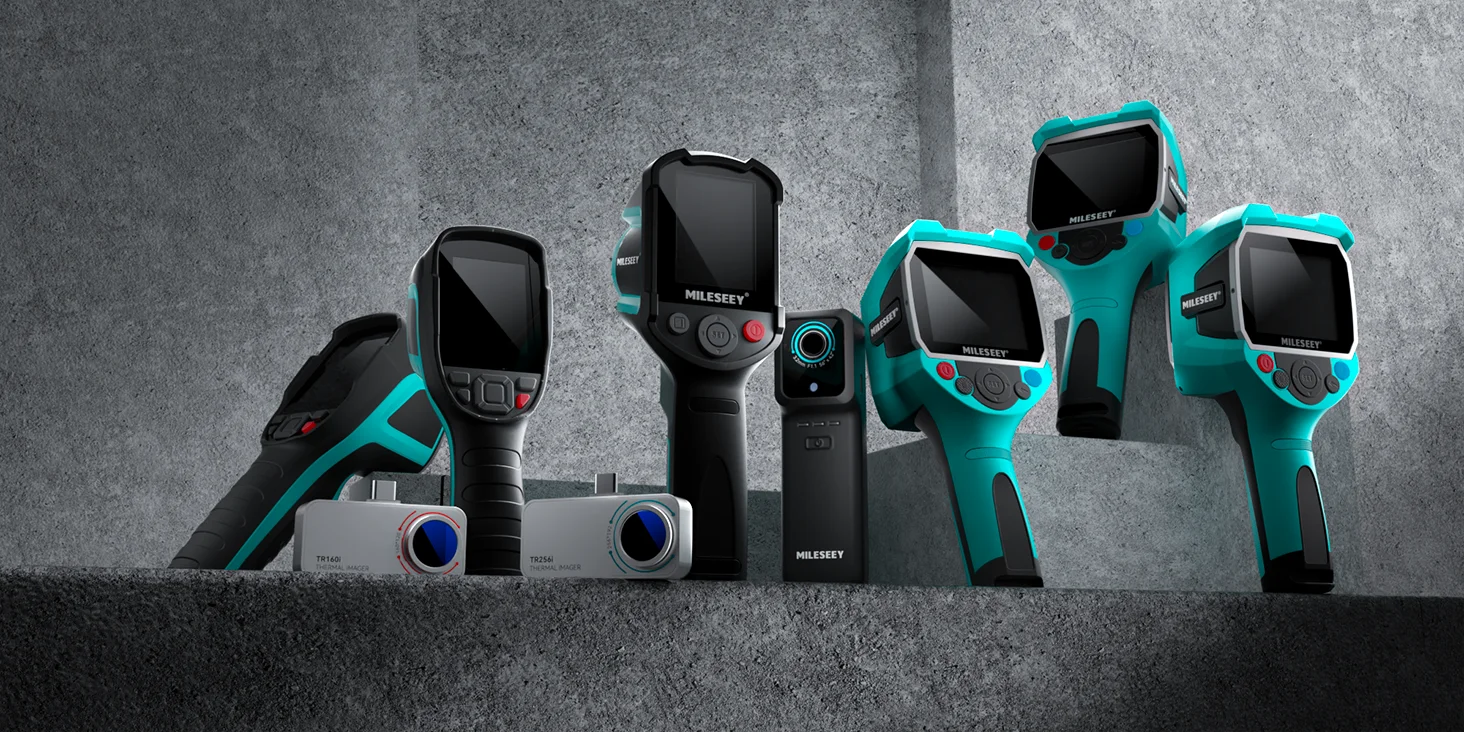
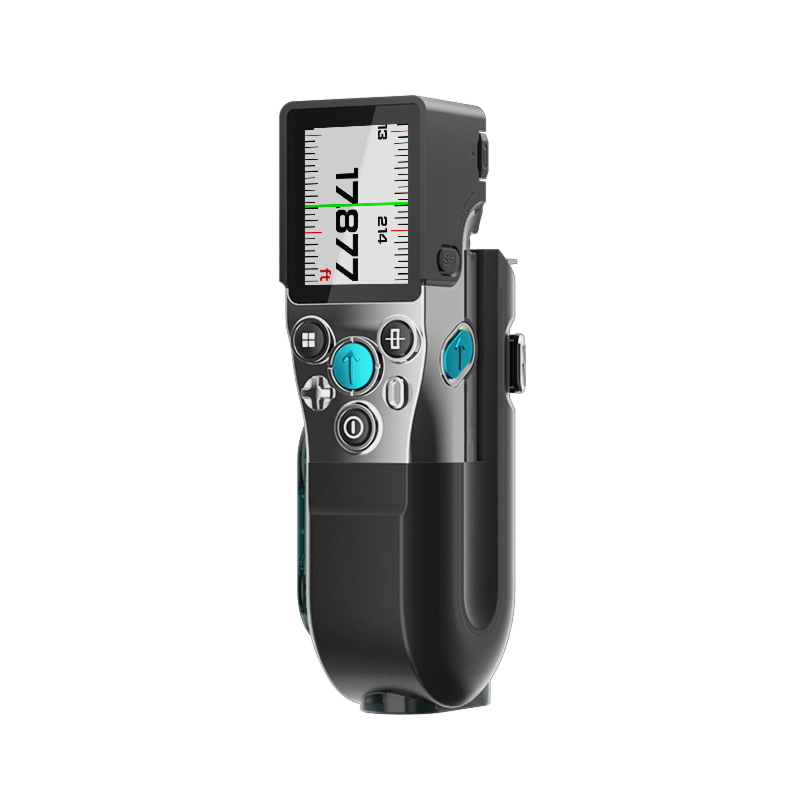
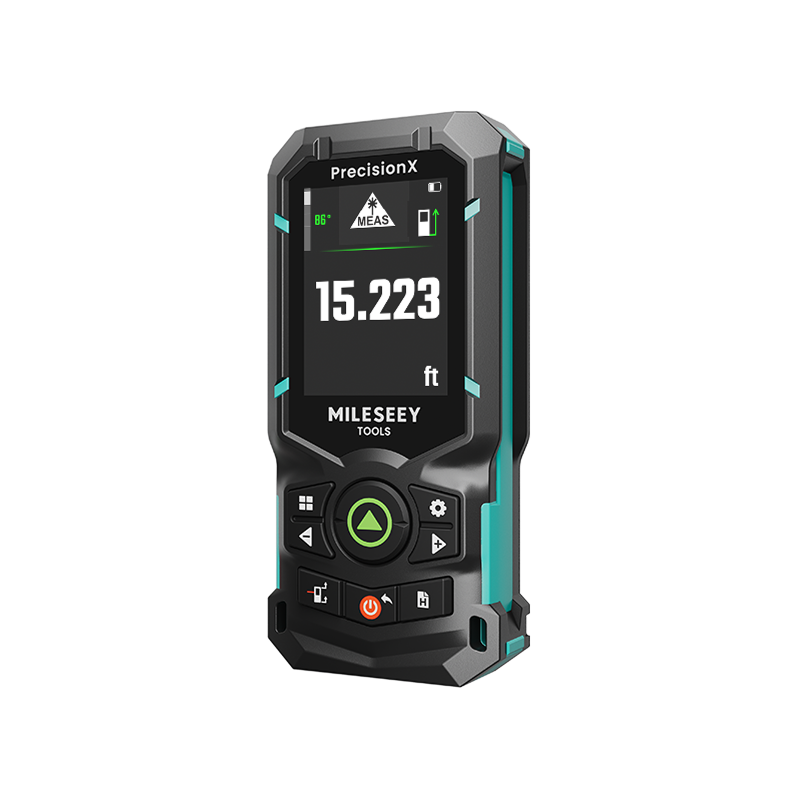
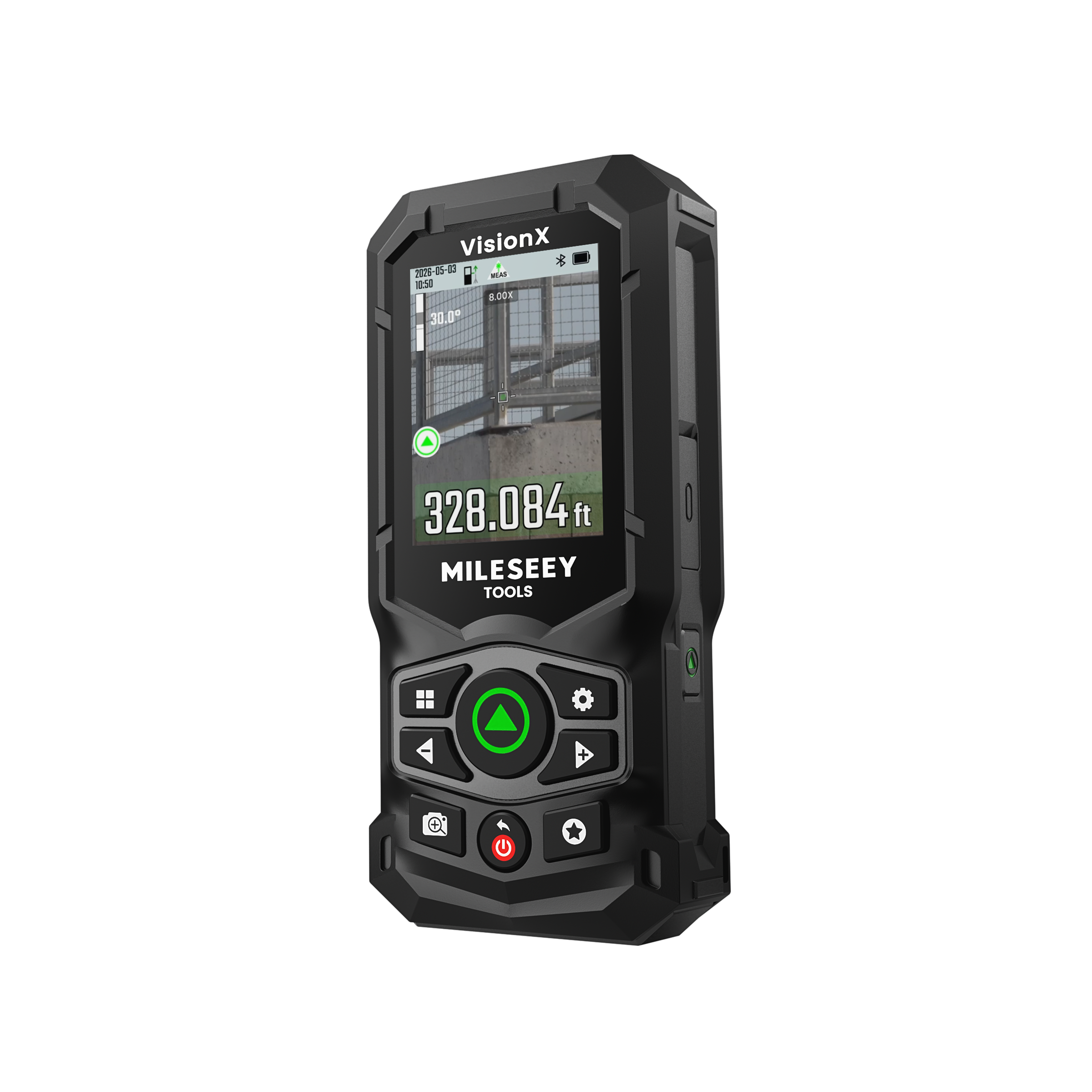
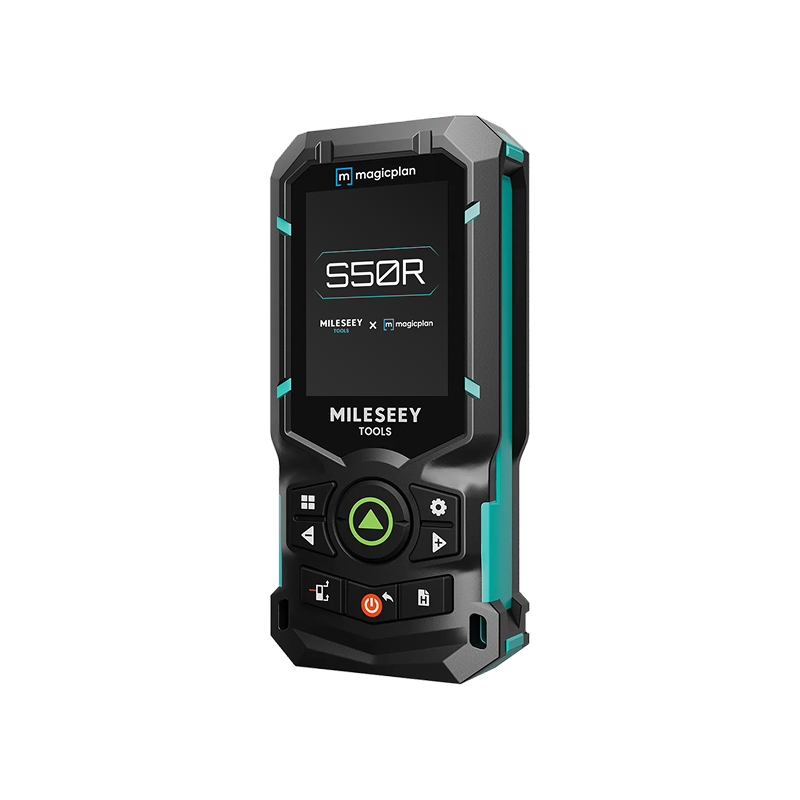
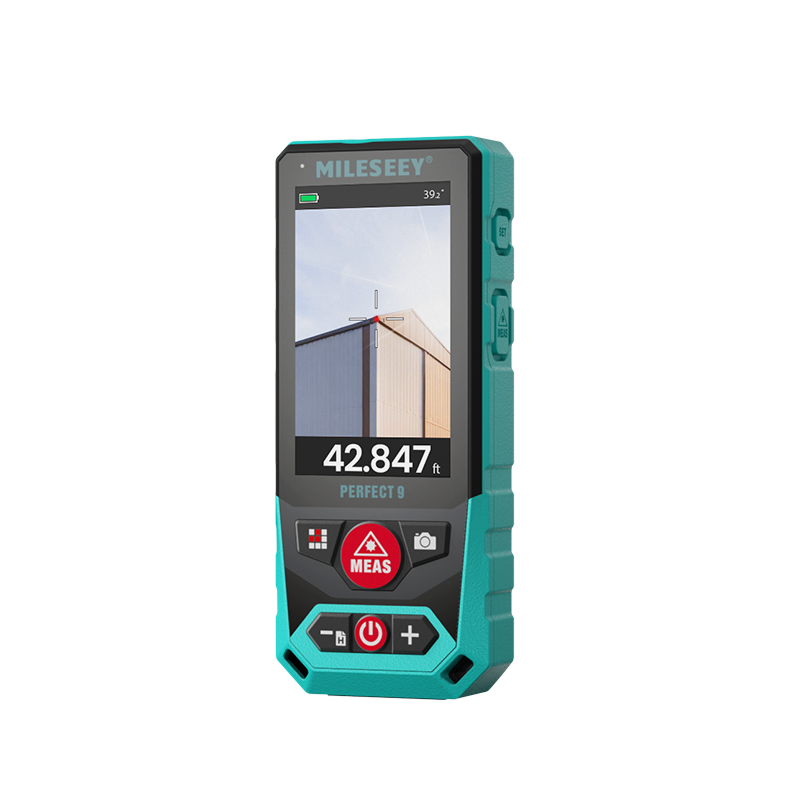
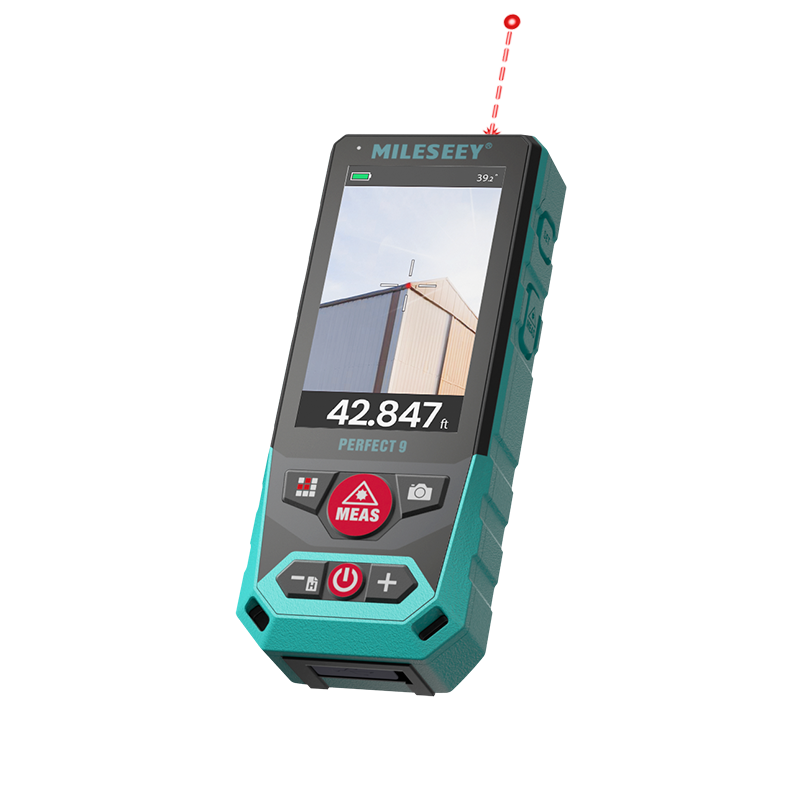
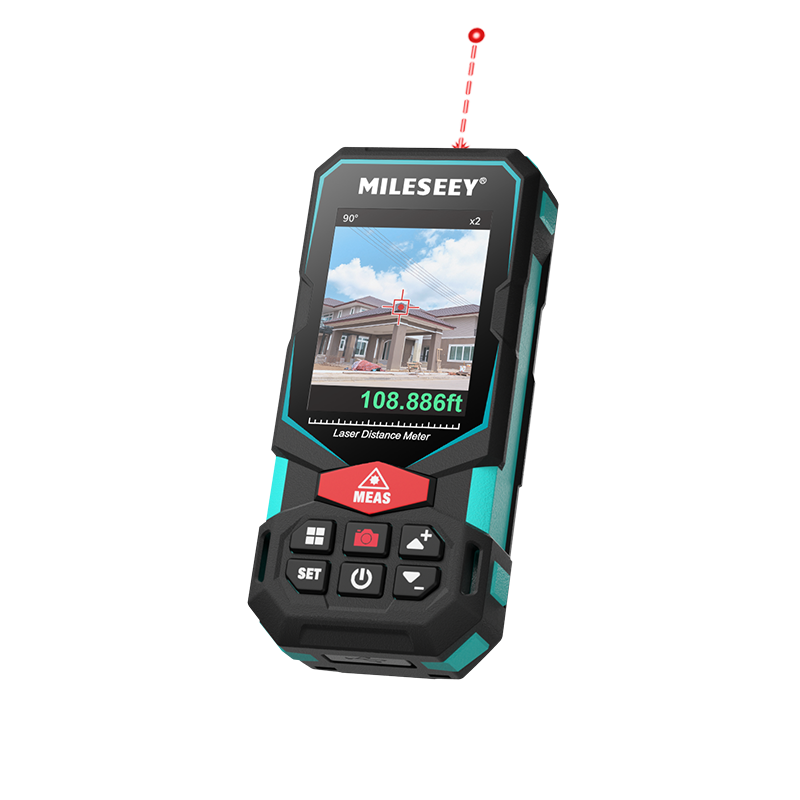
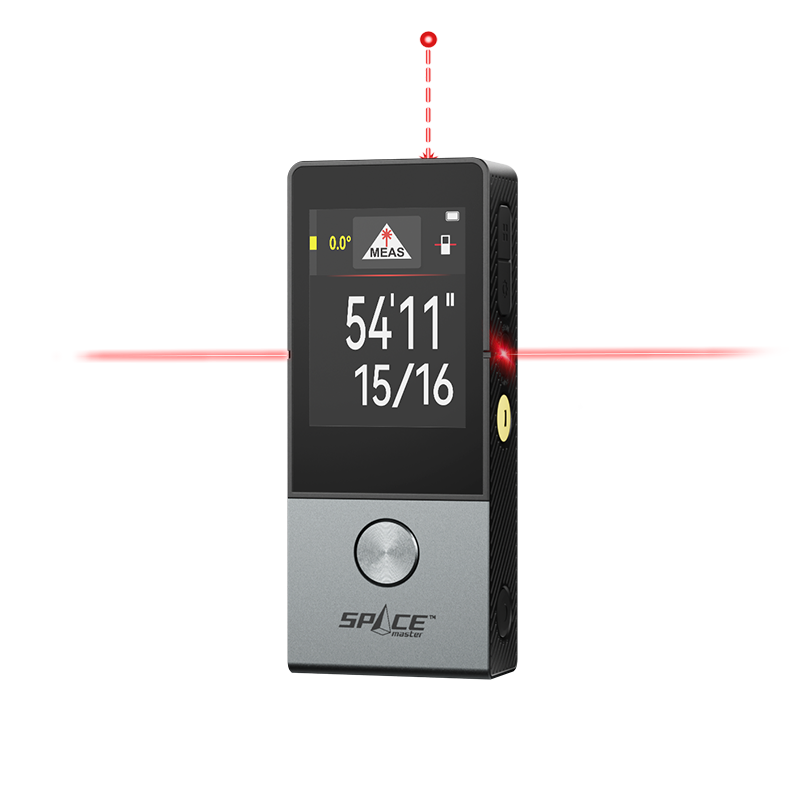
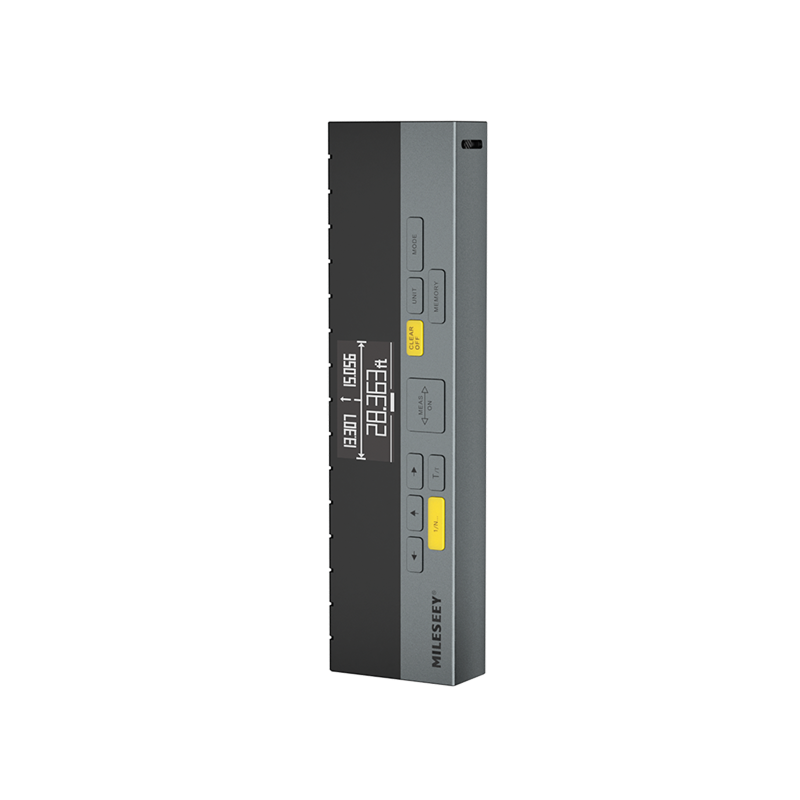
Ready to upgrade your measuring capabilities? Explore Mileseey Tools laser tape measure collections. Mileseey Tools products combine accuracy, durability, and user-friendly features to meet the needs of both professionals and DIY enthusiasts.
.png?w=800&h=800)
.png?w=800&h=800)